
 Saad Ullah
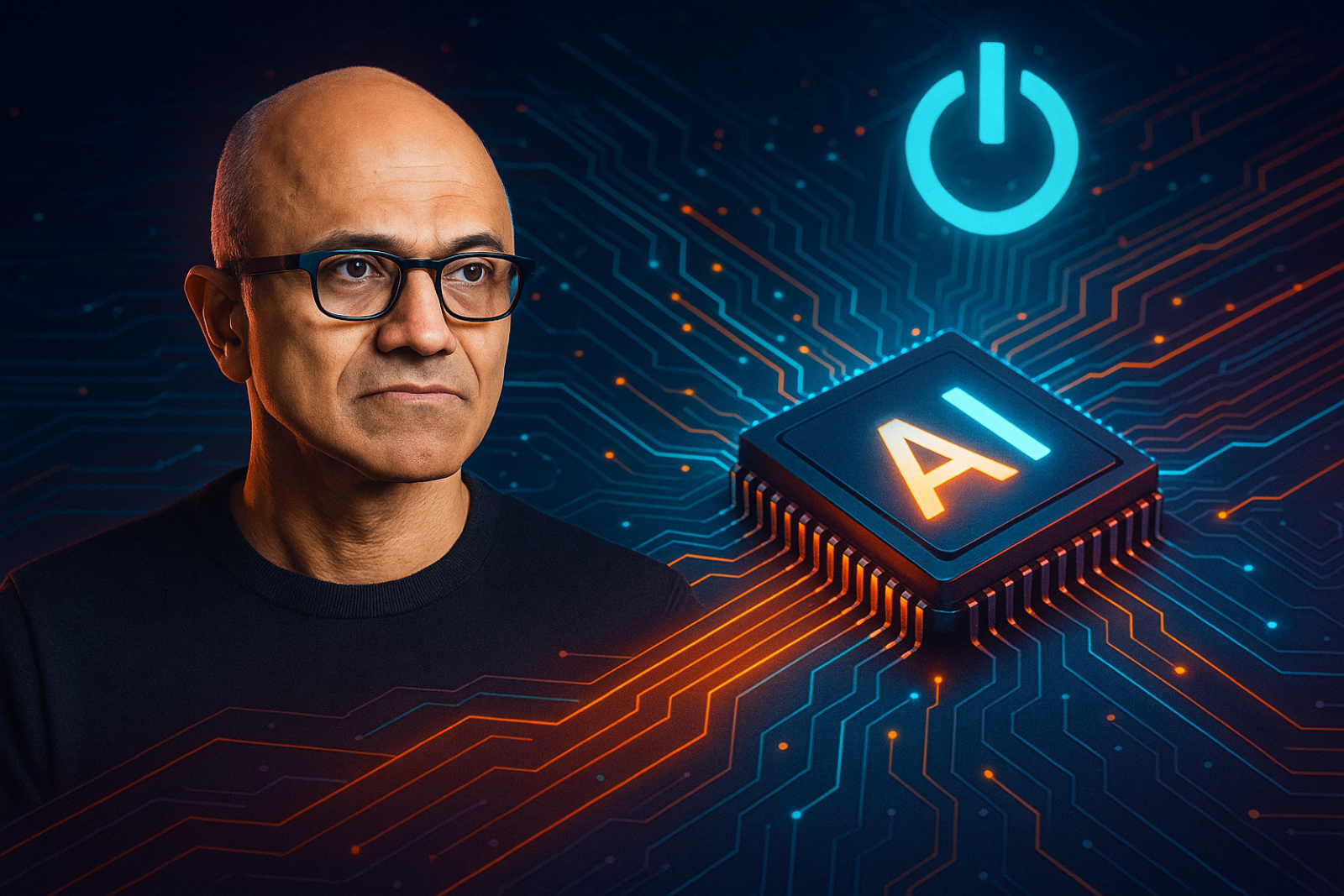
● In a recent observation shared by Shay Boloor, Microsoft CEO Satya Nadella made a striking admission: Microsoft has racks full of NVIDIA GPUs that can't be turned on because there's simply not enough electricity available. This marks a major turning point for the AI industry—the bottleneck has shifted from chip supply to power and infrastructure.
● Nadella's comments reveal that power shortages and limited data center capacity have become the main obstacles to AI growth. Every new facility built by tech giants like Microsoft, Google, Amazon, Meta, and Oracle needs hundreds of megawatts of continuous power. But getting that kind of capacity connected to the grid takes years. Meanwhile, expensive GPUs sit collecting dust and losing value before they can even start earning revenue. Beyond wasted investment, this threatens the entire pace of AI cloud expansion.
● This imbalance has turned powered data centers into a critical economic constraint. When compute hardware is plentiful but power is scarce, the advantage shifts to whoever controls energy and infrastructure. This has sparked investor interest in what's being called the "AI Utility" theme—companies that generate or manage energy for AI operations. Firms like Iris Energy, Cipher Mining, Applied Digital, and TeraWulf are positioning themselves as key players, able to deliver energized capacity faster than competitors.
● Nadella's warning also highlights a growing hardware lifecycle problem. As NVIDIA rolls out new chip generations faster (like the upcoming Blackwell architecture), older GPUs lose value more quickly. If data centers can't power up fast enough, they face "compute decay"—expensive hardware becomes obsolete before it's even used. The takeaway is clear: AI won't advance at the speed of chip innovation anymore. It'll advance at the speed of power availability.
 Saad Ullah



