
 Peter Smith
⬤ Google just dropped some serious improvements to its Gemini 2.5 text-to-speech models, boosting what both Flash and Pro versions can do. The update brings more expressive, controllable, and context-smart voice outputs that work across different use cases. This upgrade replaces the earlier versions from May 2025 and puts Google in a stronger position in the AI audio space.
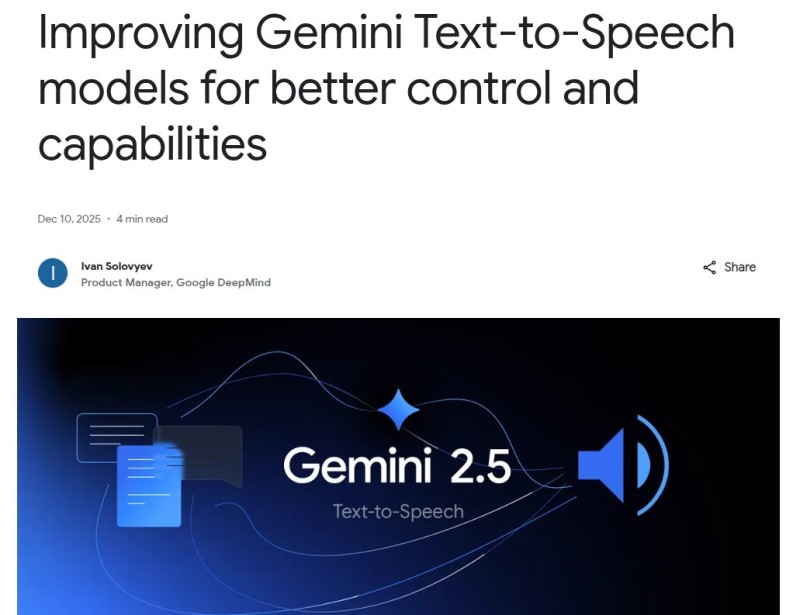
⬤ The updated Flash TTS model is built for speed—perfect for real-time voice apps where latency matters. Meanwhile, Pro TTS focuses on quality, delivering polished, production-ready narration. The big win here is expressivity. These models now follow tone, mood, and character cues way more accurately than before, making AI-generated dialogue and digital assistants sound less robotic and more intentional. There's also context-aware pacing now, which means the models slow down for complex information or speed up when things feel urgent. Plus, they actually follow explicit timing instructions better.
⬤ Multi-speaker consistency got a major upgrade too. Gemini 2.5 Pro TTS keeps voices stable and distinct across conversations, even in multilingual scenarios spanning 24 languages. The system handles adjustments for tone, pace, accents, and technical terms, which makes long-form content like tutorials, audiobooks, and e-learning scripts way clearer with better pronunciation. Both models now handle back-and-forth dialogue more naturally—Flash prioritizes speed while Pro goes for polish.
⬤ These improvements shake up the competitive landscape for AI-generated audio and could shift expectations for voice interfaces across consumer and enterprise platforms. As Google keeps refining Gemini's real-time and high-fidelity capabilities, these updates might influence how people think about AI adoption, product automation, and opportunities in digital media and interactive applications.
 Peter Smith



