
 Saad Ullah
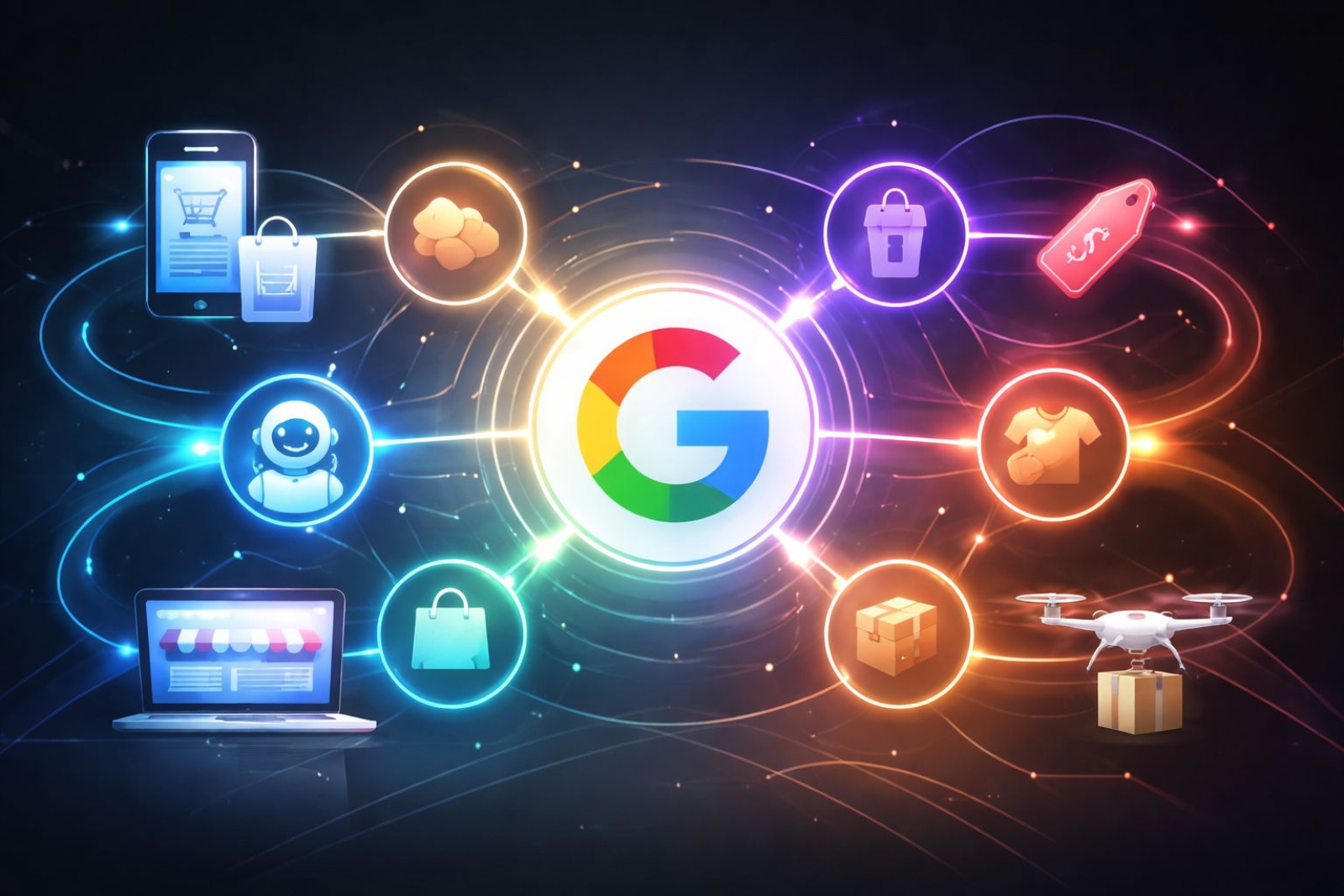
⬤ Google just rolled out the Universal Commerce Protocol (UCP), a new open standard that's basically laying the groundwork for AI-powered shopping. Here's the thing: UCP lets AI agents handle everything—from finding products to checking out to dealing with returns. It's designed to work seamlessly across Google's ecosystem and third-party retail platforms, creating a unified layer for AI-driven commerce.
⬤ The protocol acts as a bridge between AI agents, retailers, and payment systems, cutting through the fragmentation that's plagued digital commerce. What makes it interesting is that UCP plays nice with existing frameworks like A2A, AP2, and MCP, meaning different systems can talk to each other without major overhauls. Google didn't build this in isolation—they partnered with heavyweights like Shopify, Walmart, Target, Etsy, and Wayfair, with over 20 partners backing the initiative. That kind of industry buy-in signals this could actually gain traction.
⬤ UCP is already live in Google Search AI Mode and the Gemini app, powering conversational checkout flows where you can complete purchases through AI conversations. Google Pay handles payments for now, with PayPal coming soon, while retailers maintain their seller status. The rollout includes some practical merchant tools: Business Agents that let brands chat directly with customers in Search, upgraded Merchant Center features for better AI product discovery, and Direct Offers that push targeted deals straight into AI Mode.
⬤ The launch reflects a bigger picture shift toward standardized AI commerce infrastructure. As AI agents increasingly shape how people shop and buy online, protocols like UCP could fundamentally alter the e-commerce landscape—affecting everything from traffic patterns and retailer visibility to how conversational interfaces fit into the buying process. If adoption spreads, we're looking at a potential reshaping of digital commerce as AI capabilities keep expanding.
 Saad Ullah



