
 Alex Dudov
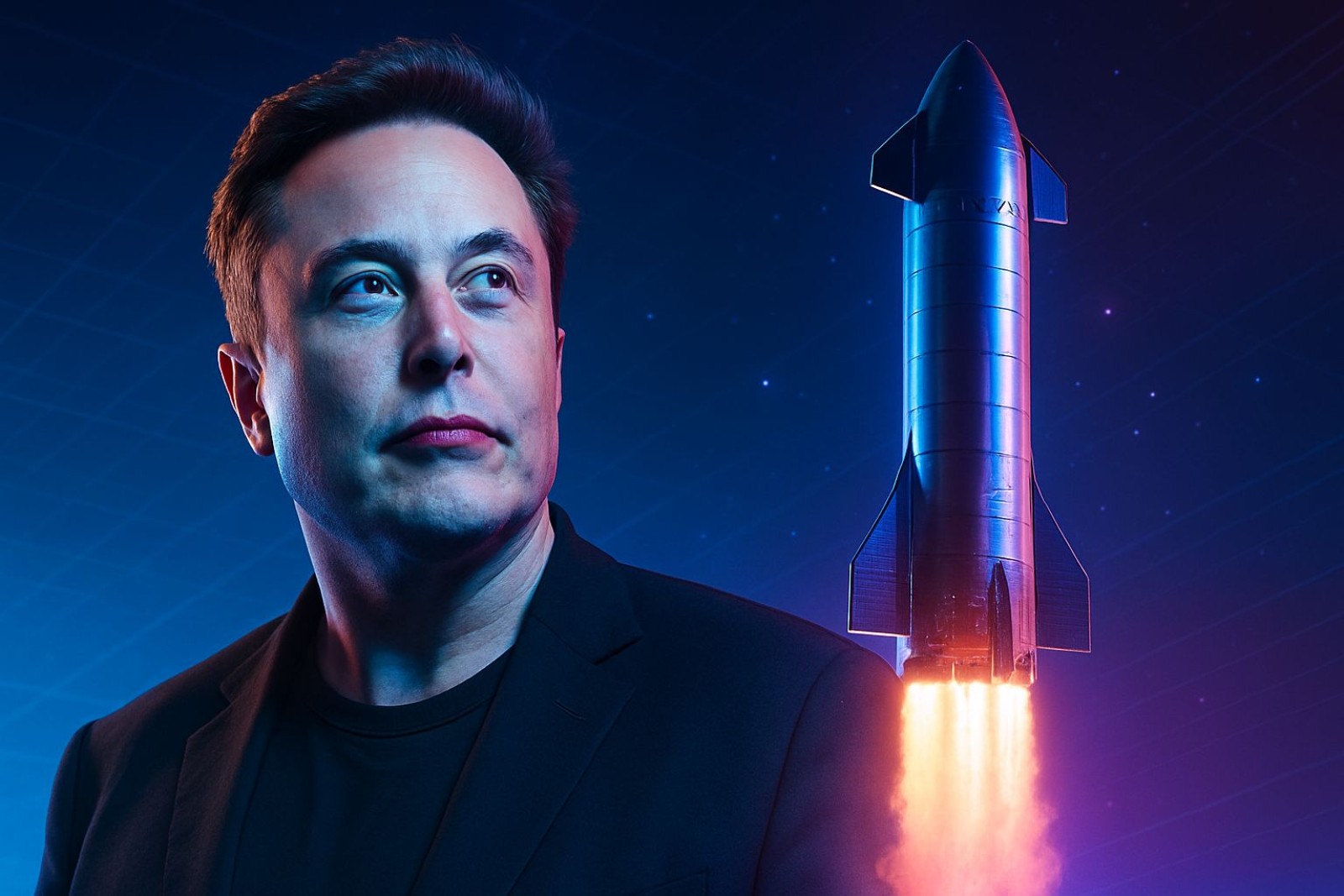
⬤ SpaceX CEO Elon Musk recently laid out his vision for Starship, calling it the first spacecraft truly capable of making humanity multiplanetary. He made a point of highlighting that the entire engineering process happened without any AI involvement—a remarkable statement given how much AI has infiltrated modern aerospace development.
⬤ Musk explained that becoming a multiplanetary species ranks among civilization's top priorities. He's not talking about quick visits or temporary bases. The goal is permanent, sustainable living across multiple worlds—what he calls "planetary redundancy." Essentially, humanity needs a backup plan in case Earth faces a catastrophic event. Starship is designed to handle long-range missions, build off-world infrastructure, and eventually support permanent settlements.
⬤ The fact that Starship was developed without AI stands out, especially as AI tools increasingly shape engineering across every major industry. Musk suggested that AI itself "will appreciate" this achievement, positioning Starship as a distinctly human accomplishment completed before AI became deeply embedded in aerospace design.
⬤ Musk's comments underscore Starship's role as more than just a rocket—it's the foundation for future economic activity and technological expansion beyond Earth. The emphasis on sustainability and long-term survival positions Starship as central to humanity's next chapter.
 Alex Dudov



