Victoria Bazir
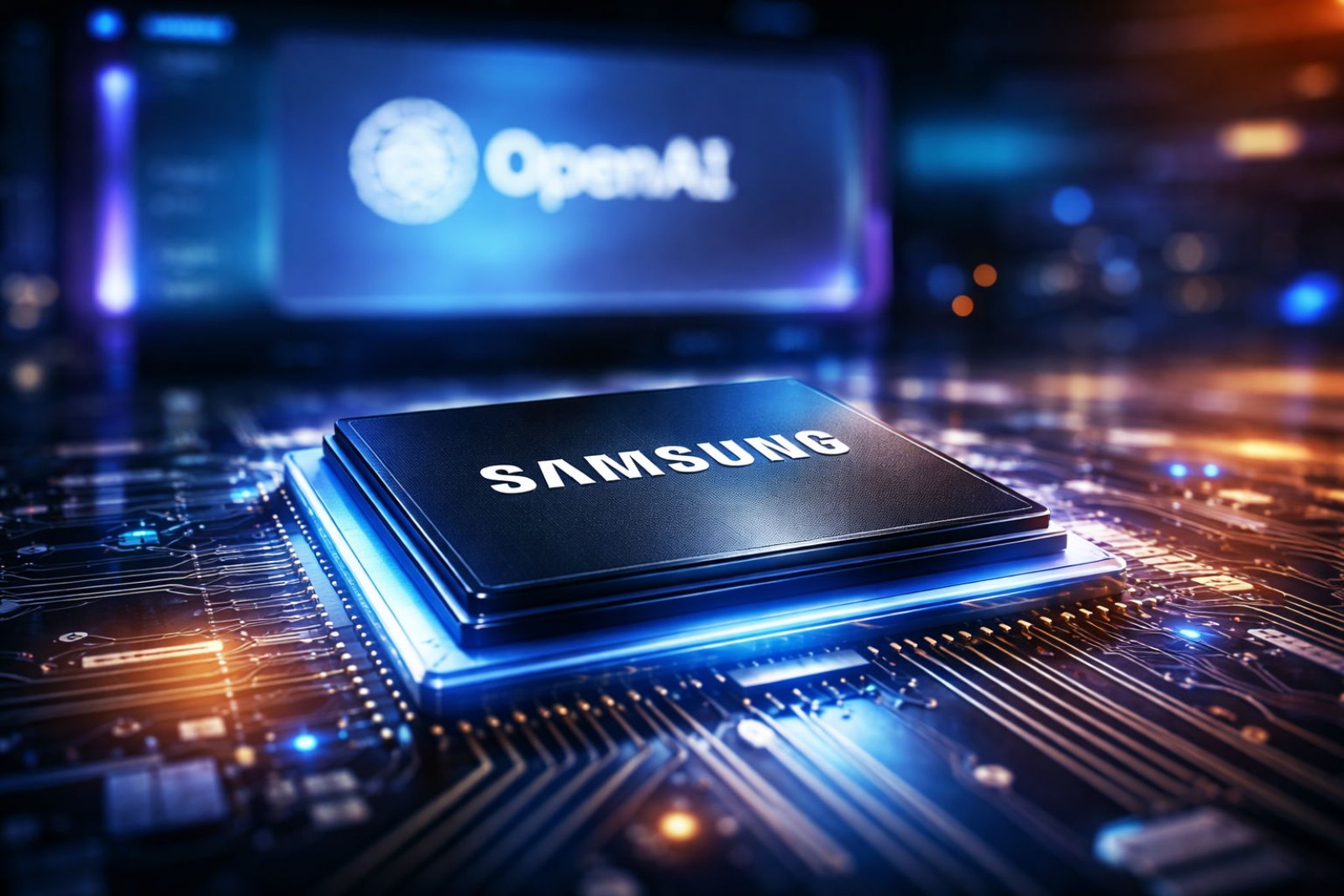
⬤ Samsung Electronics is nearing a deal to become a key chip supplier for OpenAI's new hardware project, according to The Korea Times. The South Korean tech giant is in late-stage negotiations to provide an application processor—the brain of the device that handles performance and system efficiency. This partnership would represent OpenAI's first major step into physical hardware beyond its software products.

⬤ The application processor being discussed would be custom-designed for OpenAI's device, combining computing power, graphics capabilities, and AI processing into a single chip. This type of system-on-chip is crucial for devices that need to run AI workloads directly without constant cloud connectivity. While Samsung and OpenAI haven't revealed specifics about production numbers, chip specifications, or when the device might launch, the talks suggest OpenAI is actively building out its hardware supply relationships.
⬤ Samsung already manufactures processors for smartphones, tablets, data centers, and countless other devices worldwide. Landing OpenAI as a client would push Samsung deeper into the rapidly growing AI hardware space and strengthen its reputation in cutting-edge chip development. The report doesn't specify whether Samsung's foundry division would manufacture the chips or if another arrangement is being considered, leaving some commercial details still unclear.
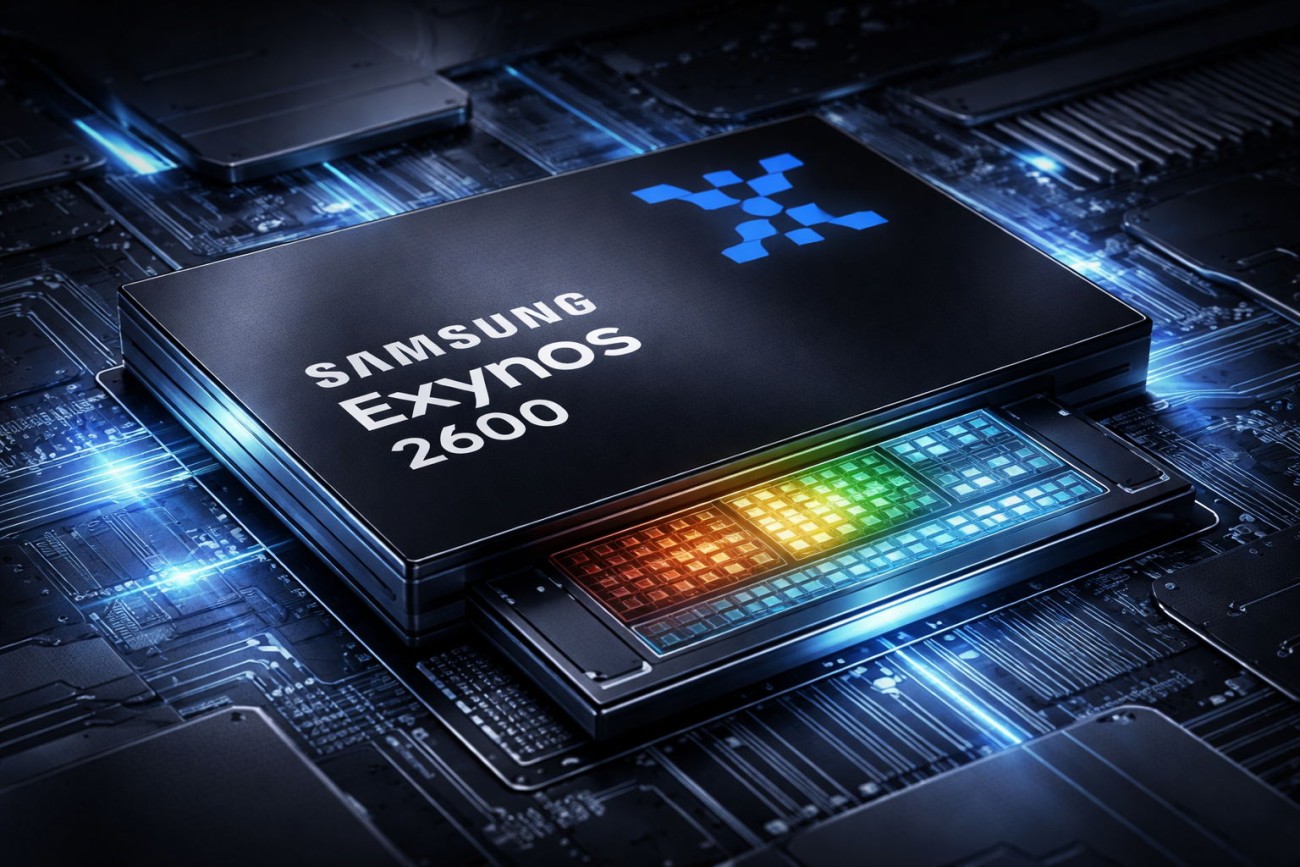
⬤ This potential partnership reflects a bigger trend in tech: AI companies that previously focused only on software are now creating dedicated hardware to run their models more efficiently. As AI systems become more demanding, specialized devices can deliver faster performance, lower response times, and better cost management than relying purely on cloud servers. If Samsung and OpenAI finalize this deal, it could accelerate the shift toward purpose-built AI hardware across the industry and reshape competition in both the semiconductor and AI markets.
 Victoria Bazir