
 Victoria Bazir
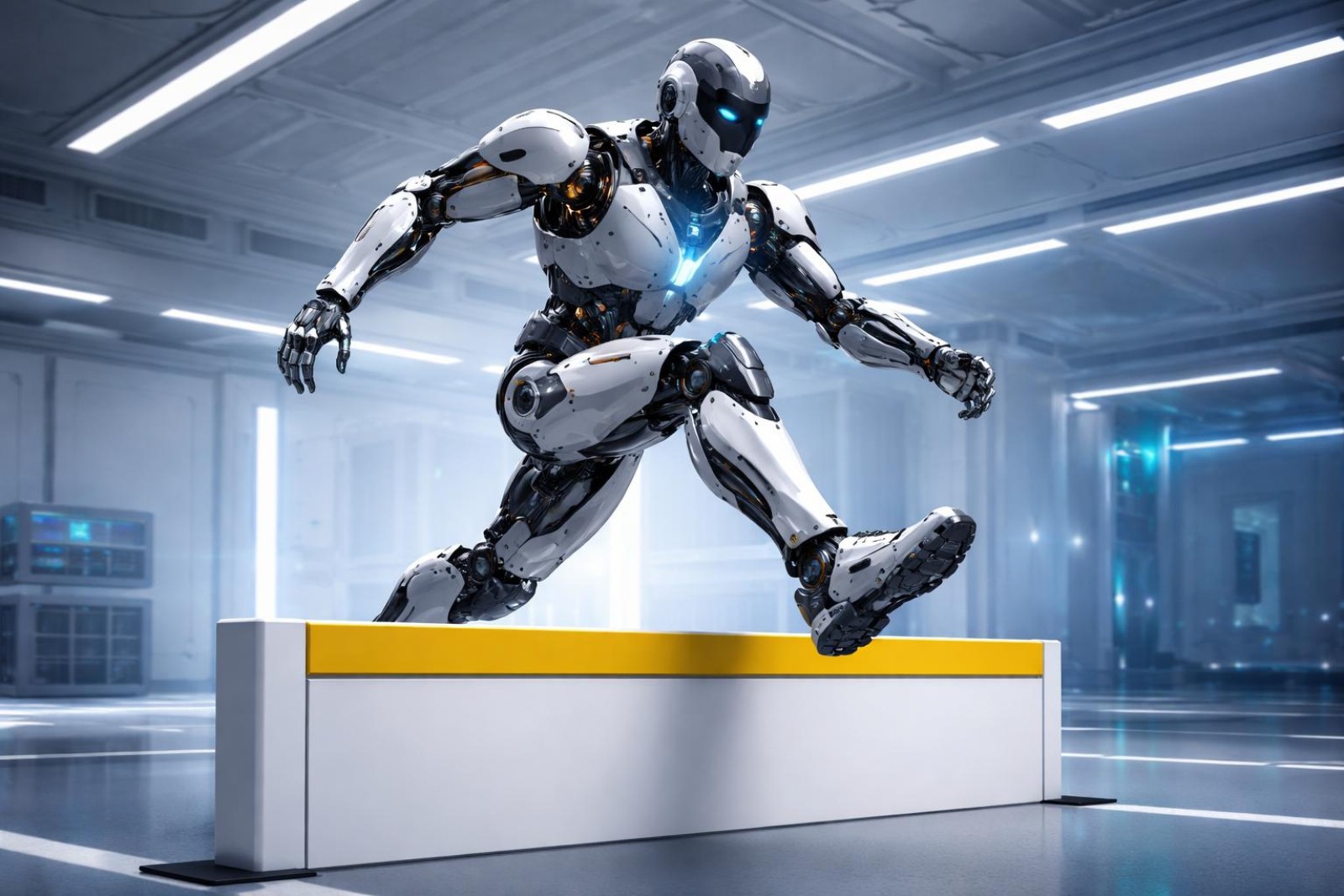
Chinese robotics firm X-Humanoid just released Embodied TienKung 3.0, a full-size humanoid robot built around a simple idea: stop making every developer reinvent the wheel. The platform ships with both the physical robot body and a ready-to-use software stack covering motion control, perception, and planning, so teams can skip the foundational work and go straight to building applications.
An Open Stack Built for Faster Development
One of the bigger frustrations in humanoid robotics has always been closed hardware interfaces and fragmented software toolkits. TienKung 3.0 takes a different approach by open-sourcing the core building blocks: motion control frameworks, world models, embodied Vision Language Models, Vision Language Action models, training toolchains, the RoboMIND dataset, and the ArtVIP simulation asset library. The open VLA components are built to interpret visual scenes and language instructions, then translate them into coordinated physical movement.
This kind of integrated design means developers can focus on specific use cases rather than rebuilding the same core stacks over and over. That shift matters more now than ever, given that China controls most global humanoid robot shipments in 2025, with Chinese manufacturers driving both unit volume and infrastructure across the sector.
Developers can focus on specific use cases rather than rebuilding core stacks.
Hardware That Can Step Over a 1-Meter Obstacle
The hardware side got a meaningful upgrade too. TienKung 3.0 uses compact high-torque joints that give it the stability to step over obstacles up to one meter, bend, and kneel with millimeter-level precision. That kind of control is exactly what factory environments demand. The software brain behind it all is Wise KaiWu, which runs a continuous "see, decide, act" loop through the Huisi Kaiwu embodied intelligence platform, cutting down on the need for human intervention during tasks.
This architecture fits squarely into the broader shift driven by vision-language-action architectures shaping embodied AI research, where combining perception and language understanding is increasingly key to autonomous task execution.
The competitive angle is hard to ignore. Platforms that combine open hardware, modular software, and developer accessibility are starting to define who wins in robotics, much like major tech companies pursuing competitive software advantages have shown in AI more broadly. TienKung 3.0 is a bet that openness and interoperability will move humanoid robots from research labs into real commercial deployments faster than any closed system can.
 Victoria Bazir



