
 Usman Salis
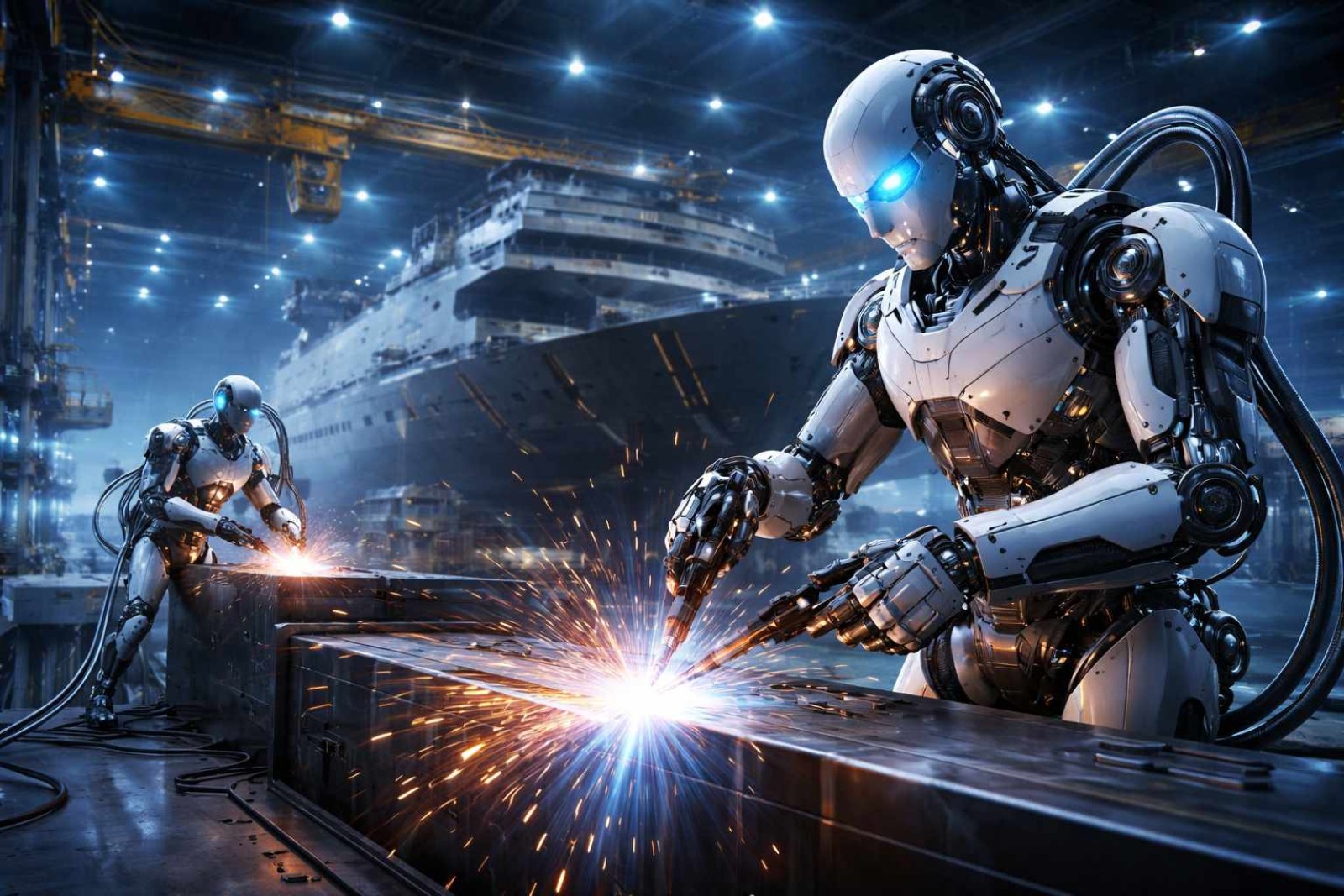
⬤ Fincantieri, Italy's leading shipbuilder, has partnered with robotics company Generative Bionics to bring humanoid welding robots into its shipyards. The project centers on a customized version of the GENE series robot that's built to work side-by-side with human welders, not replace them.
⬤ These robots pack some serious tech—AI-powered vision systems that can check weld quality on the fly. What makes them special is their ability to squeeze into tight, awkward spaces inside ship hulls where regular robotic arms just can't reach. They're designed to tackle the repetitive, dangerous welding jobs while still being able to collaborate with the human crew.
⬤ The rollout follows a 4-year timeline. Fincantieri plans to get the robots fully operational within the first 2 years, with hands-on testing set to kick off at the Sestri Ponente shipyard by late 2026. The move addresses a real problem—there simply aren't enough skilled welders to meet demand, and modern ships are getting more complex to build. Industry reports show that Hyundai Group is doing something similar at its yards, bringing in humanoid robots from Neura Robotics and Persona AI to handle dangerous welding work.
⬤ This push shows how heavy industries are increasingly turning to collaborative robots—machines that work with people instead of replacing them entirely. The goal is straightforward: safer conditions, better efficiency, higher quality output, and keeping humans in the loop where they matter most.
 Usman Salis



