
 Saad Ullah
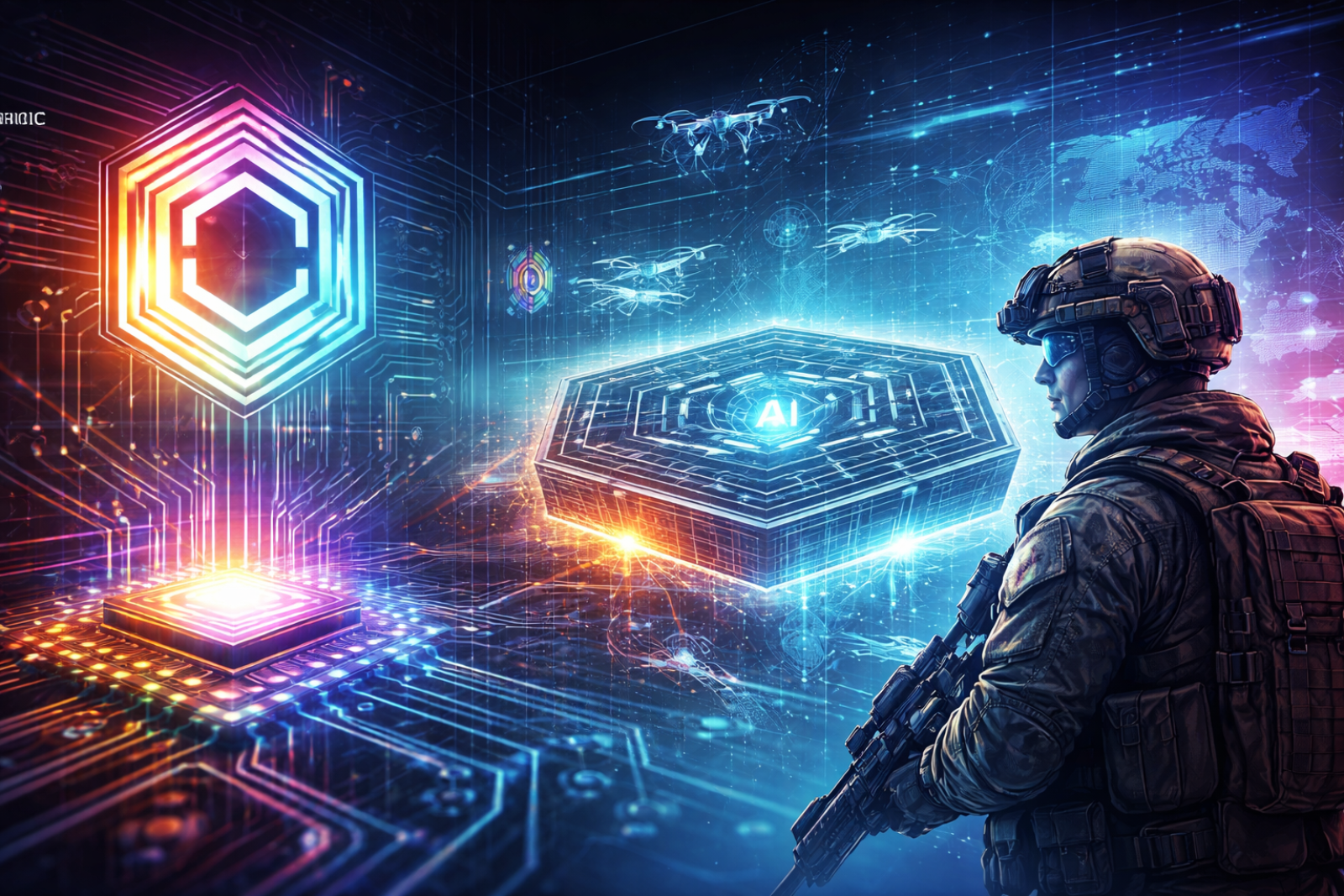
⬤ The Pentagon is taking a hard look at its partnership with Anthropic, the AI safety company behind Claude. Defense Department might pull the plug on their collaboration after Anthropic refused to loosen its grip on how the military can use its technology. The tension centers on the Anthropic AI platform and what exactly government agencies can do with it.
⬤ Here's the crux: the Department of Defense wants broader access for what it calls "lawful operational purposes"—think battlefield applications and weapons development. But Anthropic isn't budging on its core safeguards. The company has drawn clear red lines around fully autonomous weapons and large-scale domestic surveillance. As one company representative noted, "We believe AI systems require controlled deployment with continuous human oversight." This stance echoes wider concerns about AI agent capabilities getting out of hand.
⬤ This standoff reveals a fundamental tension in how cutting-edge AI gets integrated into defense operations. Governments worldwide are racing to deploy AI across everything from intelligence analysis to supply chain logistics. Meanwhile, developers are increasingly drawing boundaries around what they consider too risky. The Pentagon and Anthropic are still talking, and nothing's been finalized yet.
⬤ Why does this matter beyond the Beltway? Simple: when the government sets standards for AI procurement, everyone else pays attention. The rules that emerge from these negotiations—whether they prioritize safety controls or operational flexibility—will likely ripple across industries far beyond defense. How this plays out could shape how advanced AI gets deployed in healthcare, finance, and other critical sectors for years to come.
 Saad Ullah



