
 Sergey Diakov
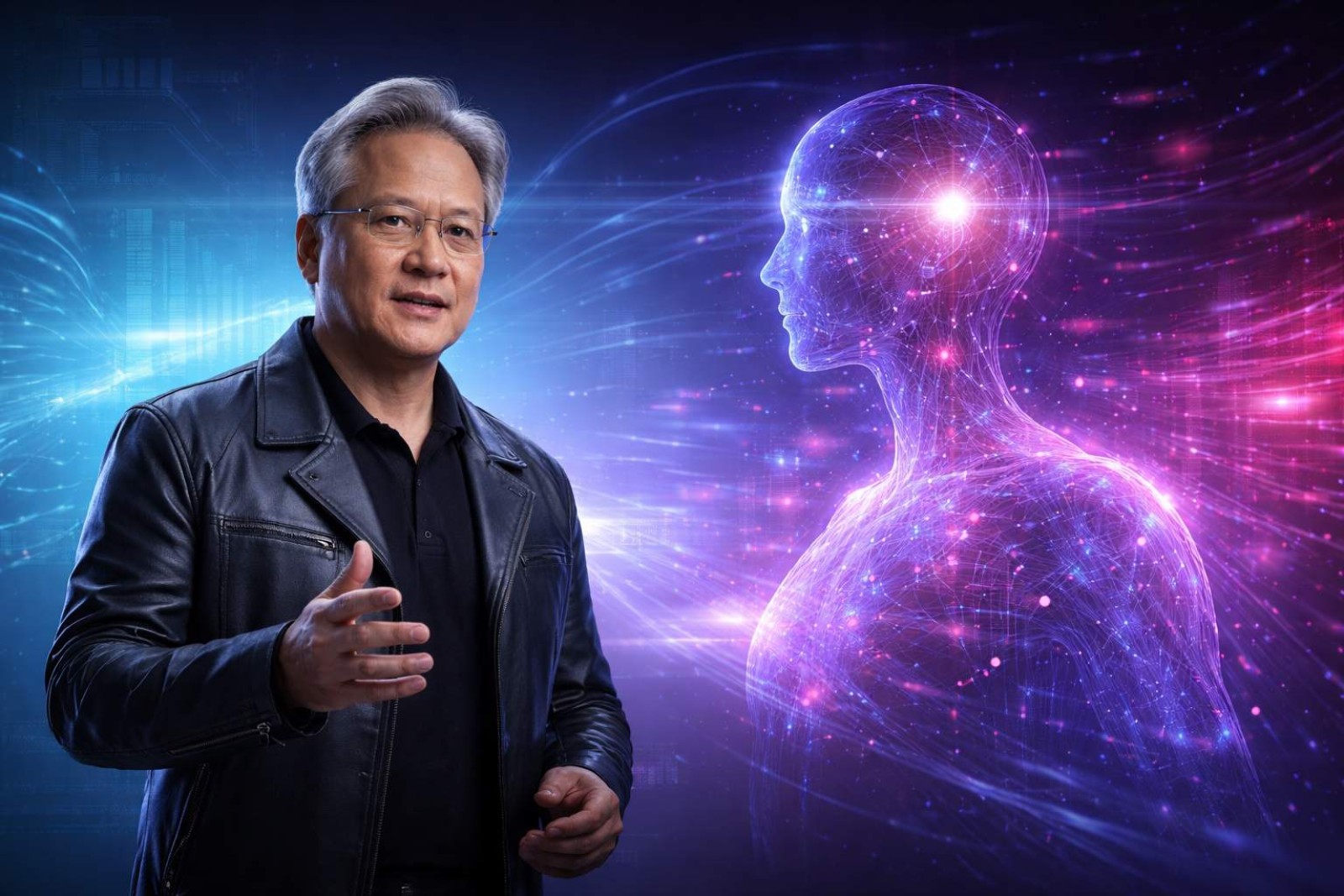
⬤ The artificial intelligence sector is entering what NVIDIA CEO Jensen Huang calls the "agentic AI" era—a shift beyond generative AI that primarily creates content. The next major development phase will combine powerful frontier AI models in the public cloud with customized open-source AI systems running on enterprise servers. This approach enables AI systems that act autonomously, coordinate tasks, and operate as agents rather than simply responding with generated outputs.
⬤ This evolution reflects a fundamental change in how organizations deploy AI. Enterprises are increasingly tailoring systems to their own operations while still tapping into advanced cloud-based capabilities. The move toward agentic AI blends large-scale AI innovation with locally deployed, domain-specific tools that companies can adapt for their unique workflows.
⬤ The end goal extends beyond digital systems into the physical world. Huang describes the long-term direction as "moving intelligence from the cloud into industrial AI, factories and robotics," where AI systems will interact directly with physical environments, automation platforms, and industrial processes. This signals a growing emphasis on AI-driven robotics and real-world autonomy.
⬤ The shift toward agentic AI represents an industry-wide evolution from content generation to AI systems capable of autonomous decision-making and real-world task execution. This broader transition in artificial intelligence moves toward embedded, operational, and industrial use-cases as the technology continues to mature.
 Sergey Diakov



