
 Marina Lyubimova
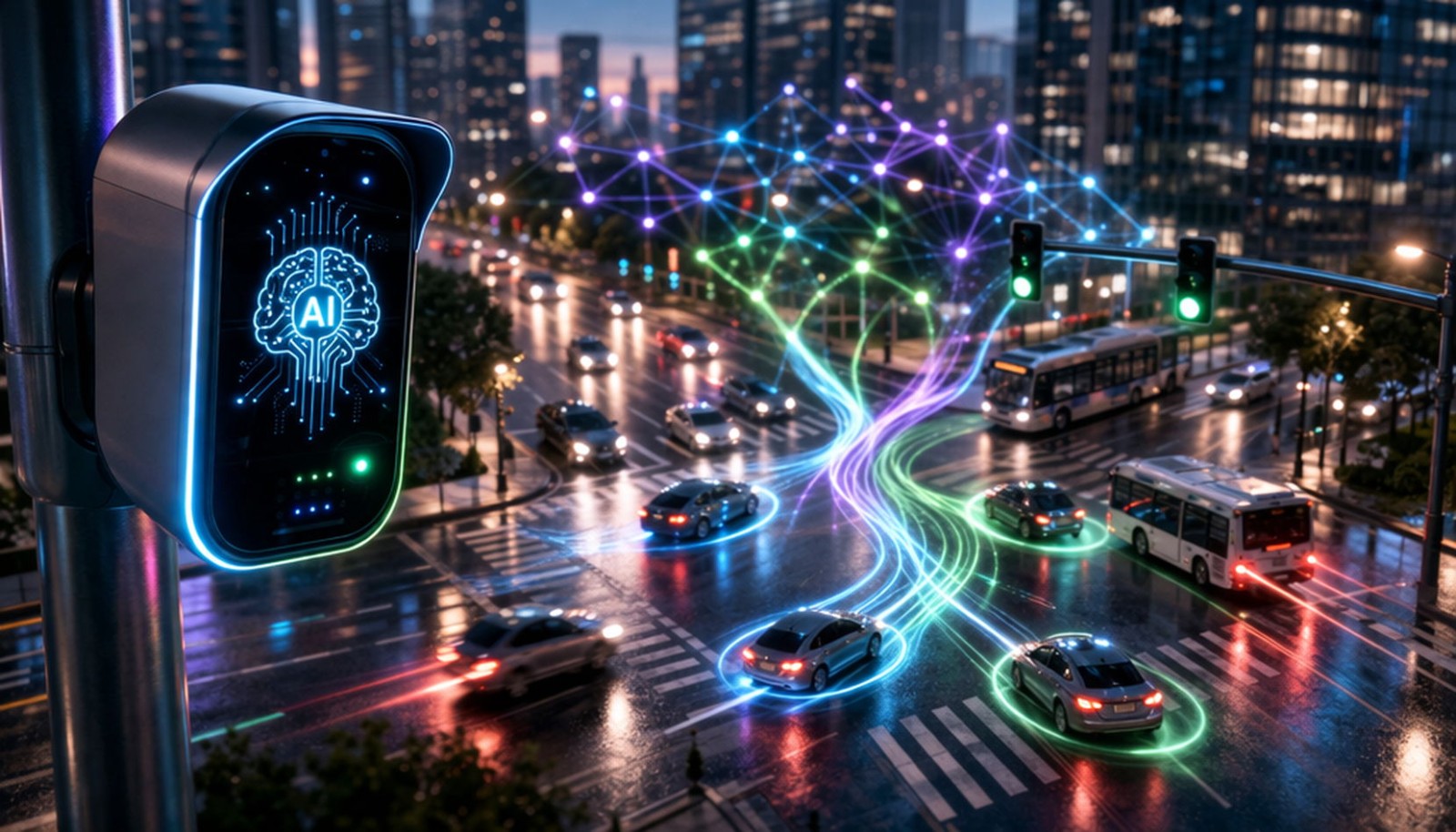
Researchers at National Yang Ming Chiao Tung University have identified a core flaw in how AI traffic systems are typically trained - and built a solution that outperforms standard approaches by a meaningful margin. As Robert Youssef reported, traditional reinforcement learning models tend to memorize traffic patterns rather than understand how traffic actually behaves, which leads to poor performance the moment real-world conditions shift.
Why Standard AI Traffic Models Fail Outside Training Environments
The findings expose a fundamental limitation in existing RL-based traffic control systems. Models trained on specific traffic scenarios performed worse during off-peak conditions - in some cases falling below even basic fixed-timer systems. When the training environment stays static, AI systems optimize for repetition rather than adaptability, which is precisely the wrong outcome for infrastructure that needs to handle constantly changing conditions.
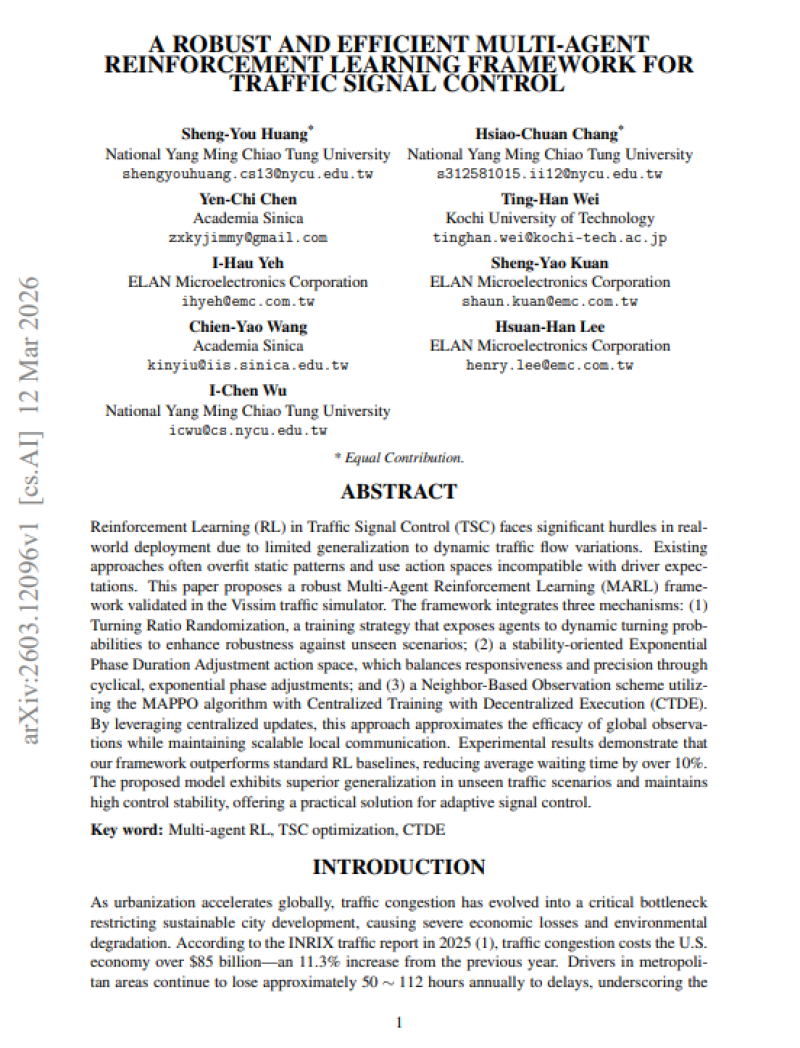
How Randomized Training Cuts Traffic Wait Times by 10%
Researchers addressed the memorization problem directly by introducing randomized training conditions, forcing the model to encounter different traffic patterns during each training cycle. Additional improvements include a system capable of both small and large signal adjustments depending on live conditions, as well as coordination between intersections without requiring a centralized controller.
The result was a reduction in average waiting time by more than 10% compared to standard RL approaches, validated using real traffic data from Taoyuan City, Taiwan.
By introducing variability into training, the model becomes more adaptable and resilient - a more effective approach for environments where patterns are constantly changing.
The broader principle here extends well beyond traffic systems. GOOGL SEO Shift: AI Discovery Is Quietly Reshaping Traffic Strategy reflects a parallel challenge in digital environments, where AI systems trained on historical search behavior are struggling to keep pace with rapidly shifting discovery patterns.
AI Adaptability Emerges as the Core Deployment Challenge
The results reinforce a principle that is becoming increasingly central to AI deployment across industries: static training produces brittle systems. 12 Monthly Articles Drive 51% Organic Traffic Growth and Google AI Traffic Up 636% in February Despite Seasonal Slowdown both point to the same underlying dynamic - AI systems are reshaping outcomes in ways that static models simply cannot anticipate or handle.
By introducing variability into training from the start, the NYCU model offers a more honest approach to what real-world AI deployment actually requires: not perfect optimization under ideal conditions, but reliable performance when conditions are anything but ideal.
 Marina Lyubimova



