
 Saad Ullah
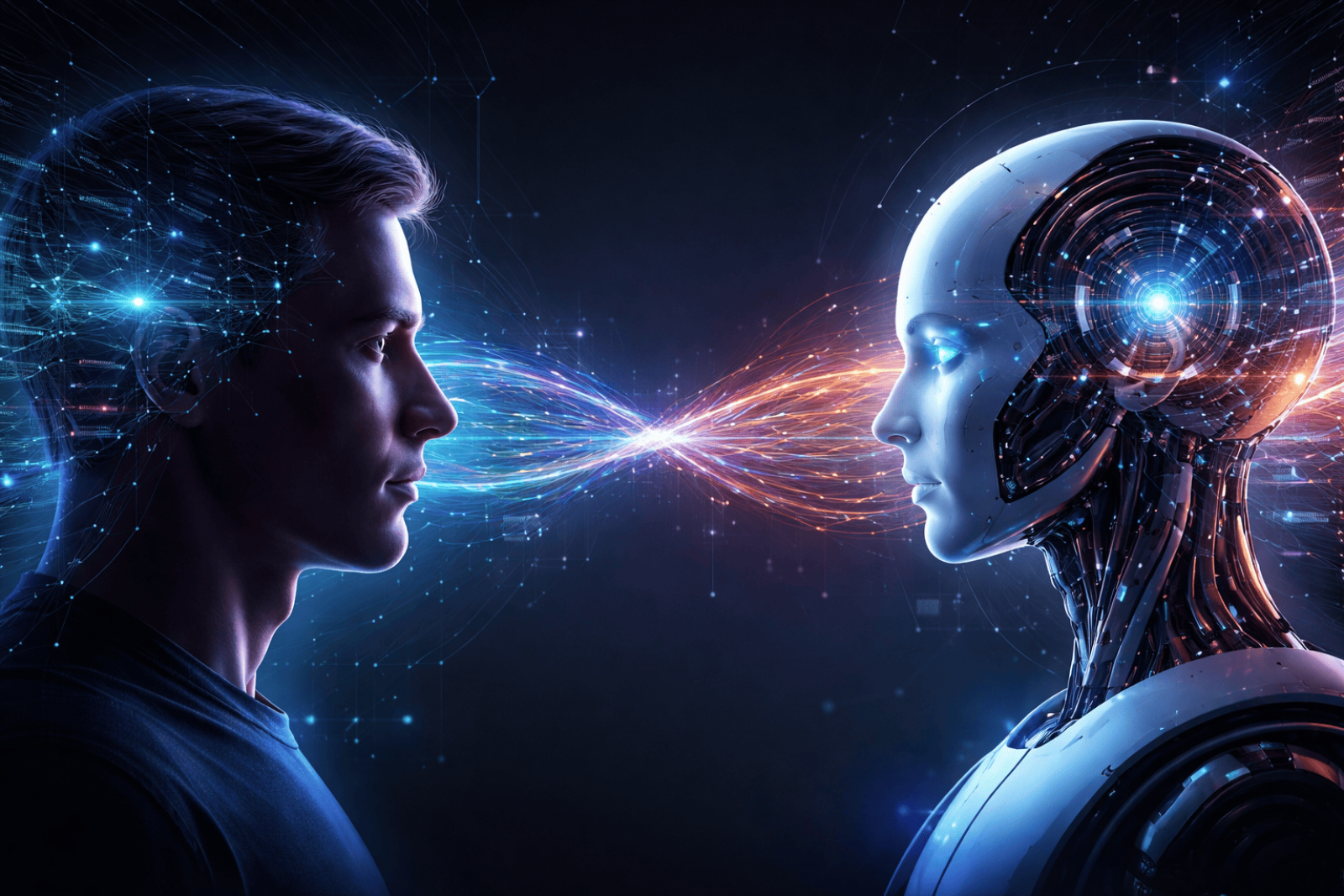
⬤ Despite significant advances, artificial intelligence continues to struggle with interpreting intent, tone, and situational nuance in human communication. The core issue isn't intelligence capacity—it's entropy and missing context that create barriers between human expression and machine comprehension.
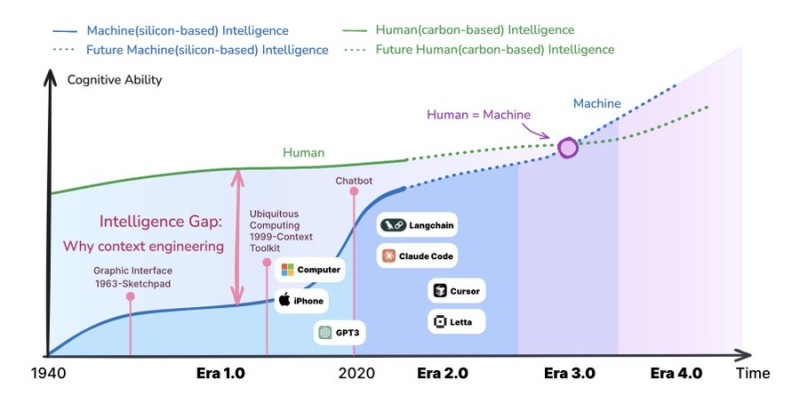
⬤ A recent analysis illustrates the persistent "intelligence gap" between humans and machines across technological eras. Humans naturally infer meaning from incomplete information by intuitively processing emotion, goals, and contextual clues. Machines, however, require structured, explicit inputs to reason effectively, even as their computational capabilities have grown exponentially.
⬤ Context engineering has emerged as the bridge between high-entropy human communication and machine-readable formats. As one expert notes, "The path forward isn't just bigger models—it's smarter context translation that matches how humans actually think and communicate." This approach prioritizes how information is framed and delivered rather than simply increasing processing power.
⬤ This perspective clarifies why AI excels at structured tasks yet falters in ambiguous situations. Progress toward human-like reasoning depends less on model size and more on sophisticated context handling. Closing the human-machine cognitive gap requires addressing these fundamental context-related limitations rather than pursuing raw computational expansion alone.
 Saad Ullah



