
 Peter Smith

⬤ Fresh research published in Nature Communications highlights a worrying trend: the steady climb in life expectancy that Western Europe enjoyed for decades has hit a wall. The study digs into mortality data from 450 regions and finds that the impressive gains seen before 2005 have largely fizzled out, raising questions about whether longevity will keep improving at the pace we've come to expect.
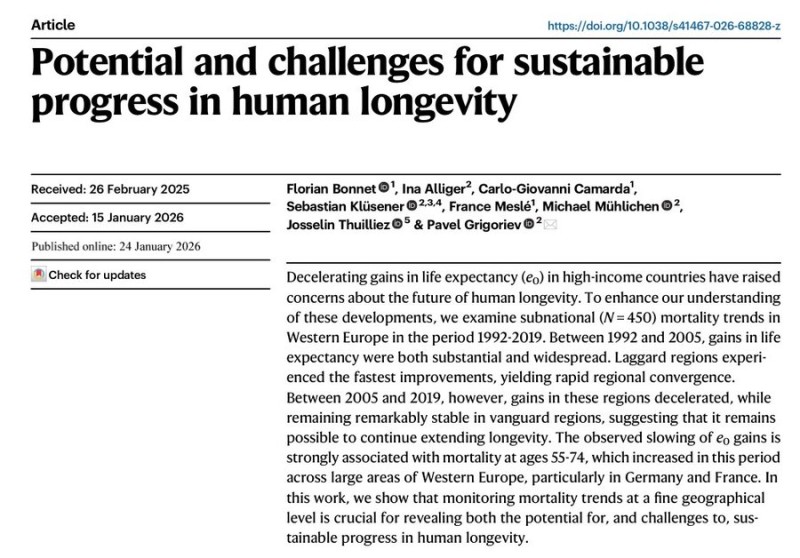
⬤ Researchers tracked mortality patterns from 1992 to 2019 and spotted a clear turning point. Between 1992 and 2005, life expectancy jumped across the board, with struggling regions catching up fast and narrowing the gap with healthier areas. But after 2005, progress ground to a near halt in most places, while only a handful of leading regions kept moving forward. This wasn't just a blip—it looks like a fundamental shift in how longevity is evolving.
⬤ The real trouble spot? People between 55 and 74 years old. Death rates in this group actually started climbing in many parts of Western Europe after 2005, hitting Germany and France especially hard. As the researchers note, "National averages can obscure significant regional differences, making fine-scale geographic analysis critical for identifying both vulnerabilities and remaining areas of progress." Looking at country-wide numbers alone misses these critical local patterns that tell the real story.
⬤ Why does this matter? Because it shows that longer lives aren't a given anymore. Healthcare systems, retirement planning, and economic forecasts all assume people will keep living longer, but these findings suggest we can't count on that without serious action. Future gains will likely need a deliberate push—better medical treatments, smarter public health policies, and real changes in how people live—rather than just riding the wave of past progress.
 Peter Smith



