
 Chris Hodges

⬤ Neuralink is approaching a breakthrough moment with its brain-computer interface work, preparing to implant the Blindsight vision-restoring device in its first human patient once regulators give the go-ahead. The technology sidesteps damaged eyes and optic nerves entirely, sending visual information directly to the brain's visual cortex. The compact, layered implant design shows how Neuralink is tackling neural signal processing at the hardware level.
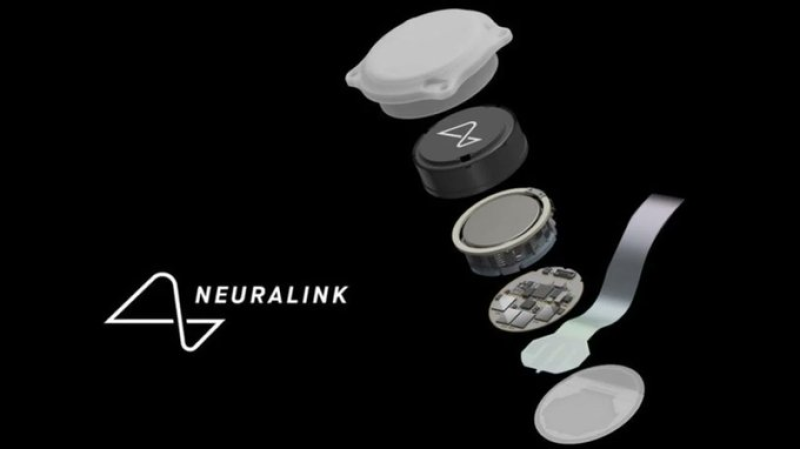
⬤ Blindsight uses an external camera to grab visual input, then beams it wirelessly to the brain implant. By skipping the normal visual pathway, the system targets blindness cases where eyes or optic nerves have stopped working. Neuralink has been upfront that the first visuals will be pretty low-res, but they're banking on improvements as the tech matures.
⬤ The news comes as Neuralink expands its clinical testing to 21 participants globally, spreading its brain-computer interface trials across a wider group. Blindsight shares the same core implant platform already being tested in trials focused on neural decoding and computer control. No launch date yet—everything hinges on regulatory approval.
⬤ This matters because it pushes brain-computer interfaces into sensory restoration territory that's mostly uncharted right now. A successful first Blindsight implant would mark a real shift from motor and communication applications into vision recovery. How this plays out could influence neurotechnology development, regulatory approaches, and what people expect from implantable devices treating neurological and sensory conditions.
 Chris Hodges



