
 Saad Ullah
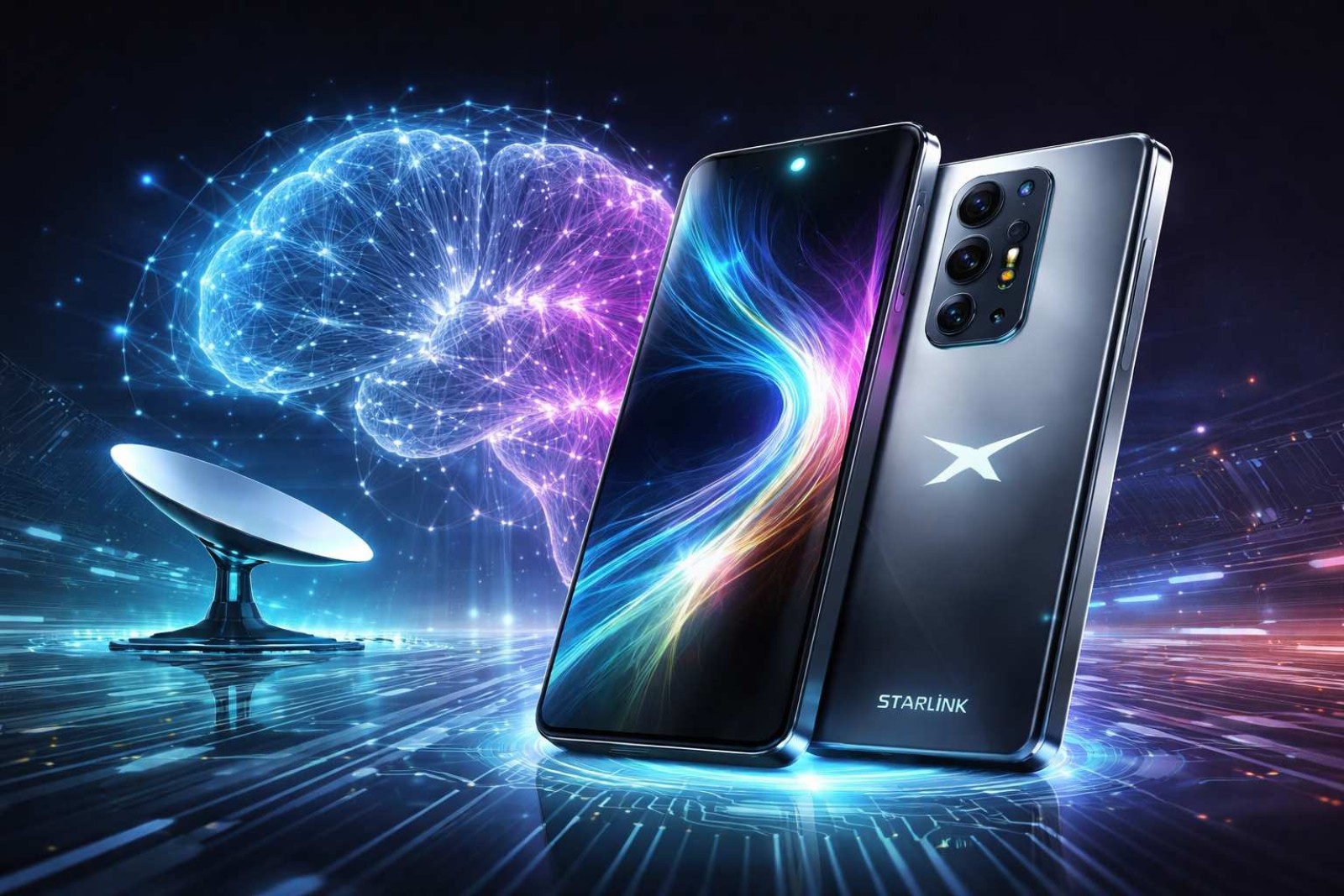
⬤ Elon Musk recently floated the idea of a Starlink-connected mobile device that would look nothing like today's smartphones. He called the concept "not out of the question," though he made clear this would be something completely different from what we're used to. Right now it's just an early-stage idea, but the whole point would be making AI performance the main priority instead of an afterthought.
⬤ The device would basically work as an AI edge node—think of it as a pocket computer designed to run neural networks locally rather than sending everything to the cloud. This setup could mean faster responses, less lag, and better battery life since the phone wouldn't constantly need to ping remote servers. The concept fits into the growing trend of edge AI, where processing happens right on your device instead of in some distant data center.
⬤ Musk specifically mentioned power efficiency as the key design goal, saying the device would squeeze maximum performance per watt. That suggests custom hardware built specifically for running AI models efficiently, not the jack-of-all-trades chips in current phones. Unlike typical smartphones that balance cameras, screens, apps, and entertainment, this would be laser-focused on AI tasks—more like a specialized computing tool than a general-purpose phone.
⬤ While there's no timeline or technical specs yet, the discussion shows how AI and satellite connectivity are starting to reshape what future devices might look like. It's still just a concept, but it points toward a shift where hardware gets designed around local intelligence and energy efficiency first, with everything else taking a back seat.
 Saad Ullah



