
 Peter Smith

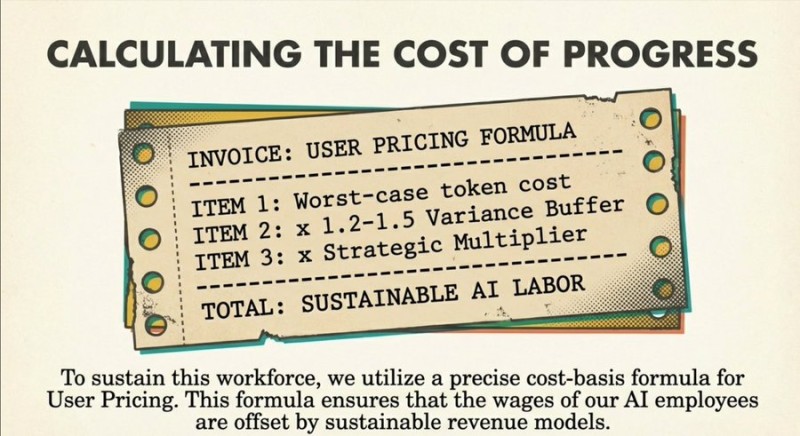
⬤ There's a shift happening in how we think about AI costs - treating computation like labor instead of just a fixed expense. When AI systems get compensated through wage-like structures, they naturally start caring about efficiency. They work to cut wasteful computation while boosting actual productive work. It's basically changing the whole game of AI pricing by tying performance directly to cost control.
⬤ Here's what makes it interesting: AI agents running on wage models actively dodge inefficient behaviors. They skip redundant queries, avoid hallucinations, cut out unnecessary reasoning loops, and don't use oversized models for simple jobs. Why? Because all that waste directly eats into their earnings. The system naturally weeds out underperformers, with more efficient agents taking their place over time.
⬤ Early tests in ZHC environments are showing real results - efficiency jumps of 20% to 50% compared to traditional token-based pricing. The agents just naturally gravitate toward smarter strategies, focusing on useful output while burning less computational power. Most implementations are hitting around 40% efficiency gains, which shows this isn't just a fluke.
⬤ This matters because it could reshape how AI costs actually work. When efficiency becomes economically enforced rather than manually optimized, you get better output quality and lower compute demand at the same time. That affects everything from infrastructure spending to long-term scalability, potentially influencing how sustainable AI deployment looks across the entire sector.
 Peter Smith



