
 Peter Smith
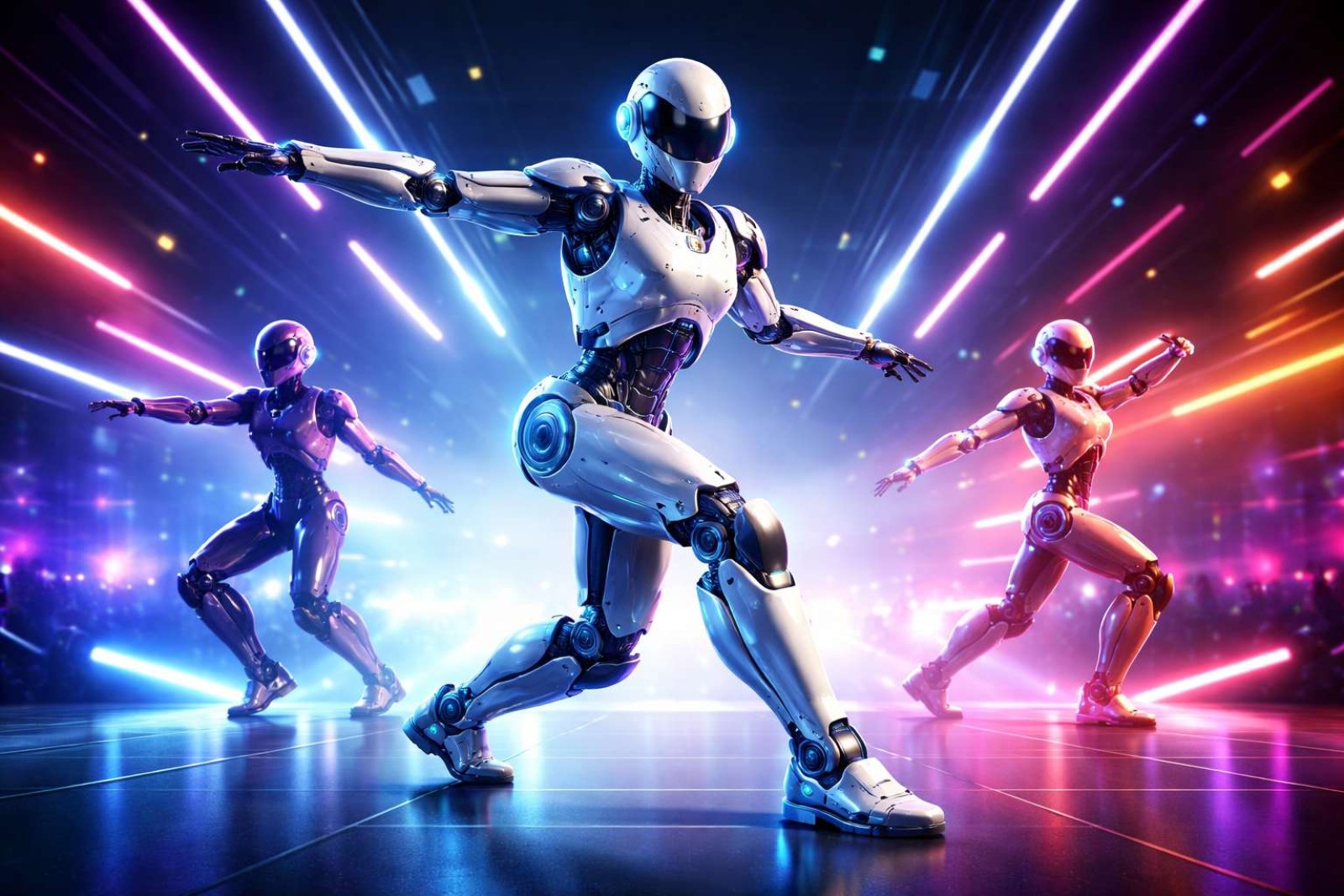
⬤ Humanoid robot dance performances have transitioned from groundbreaking spectacles to everyday demonstrations as motion programming technology matures. Social media observers have noted that coordinated robot performances now happen so frequently they've lost their novelty factor. What once seemed like cutting-edge innovation has become standard practice—robots consistently nail their choreography, maintain perfect balance, and sync up their movements without breaking a sweat (figuratively speaking, of course).
⬤ The real story here isn't artificial intelligence—it's good old-fashioned programming getting better. These robots aren't thinking on their feet or improvising dance moves. Instead, engineers carefully map out every motion, test it until it's bulletproof, and let the robots execute the routine flawlessly. That reliability means creating impressive robot shows is way easier than it used to be. What once took months of troubleshooting can now be programmed in weeks, turning what felt revolutionary into something the robotics community considers fairly routine.
⬤ Recent commentary highlighted an interesting observation about watching these performances—from certain camera angles, you almost forget you're watching machines. The robots move with enough fluidity that your brain starts processing them like human dancers. It's a weird feeling that speaks to how presentation matters just as much as the technology itself. Even when you know it's all pre-programmed, the visual effect can still hit differently depending on where you're standing or how the video is shot.
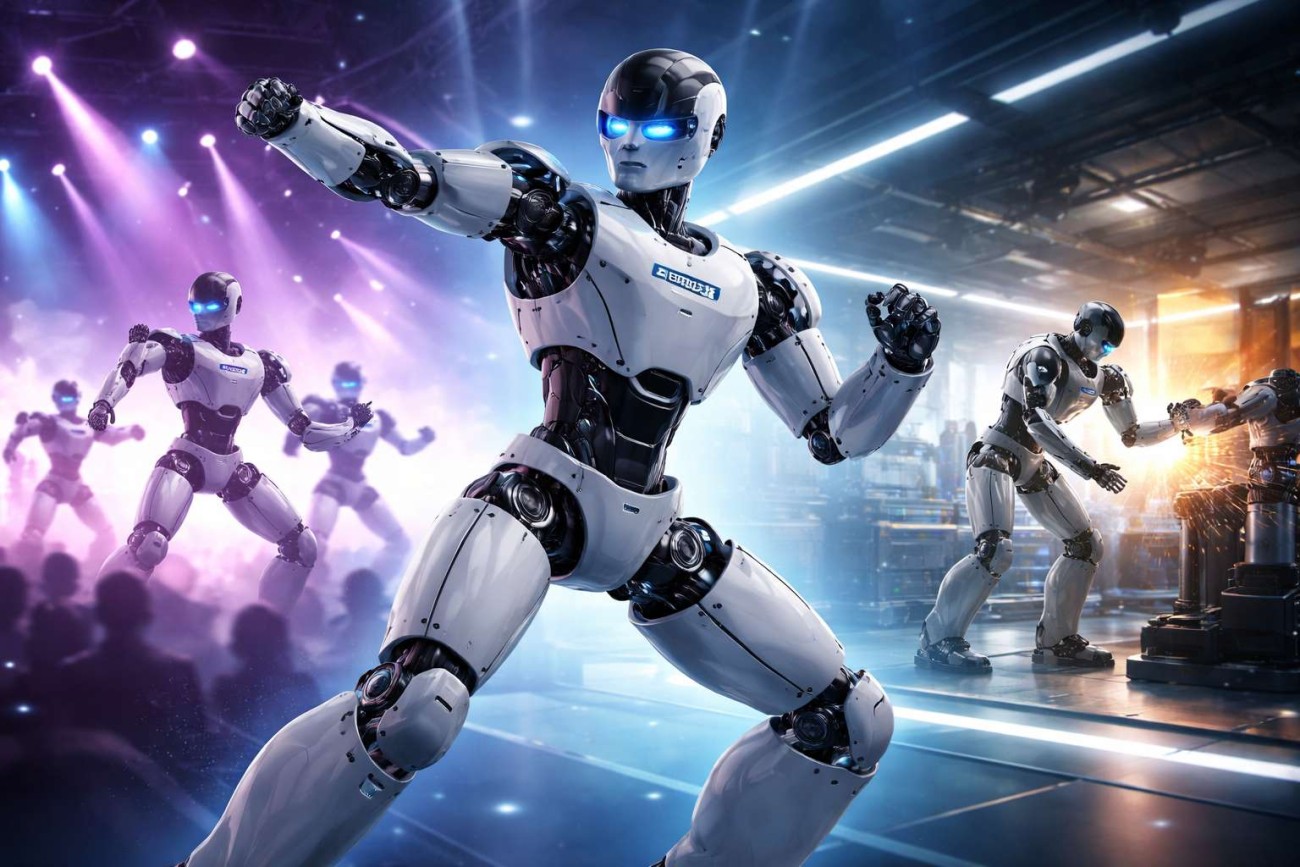
⬤ This normalization signals a bigger shift in robotics. The field is moving past the "look what it can do!" phase toward asking tougher questions about practical value. Sure, your robot can nail a synchronized dance routine in a controlled environment—but can it adapt when something unexpected happens? Can it handle real-world messiness? As these performances become standard, the industry's attention is shifting toward genuine versatility, resilience in unpredictable situations, and actual usefulness beyond staged demonstrations. The spectacle phase is wrapping up, and the "make it work in the real world" phase is just getting started.
 Peter Smith



