
 Eseandre Mordi
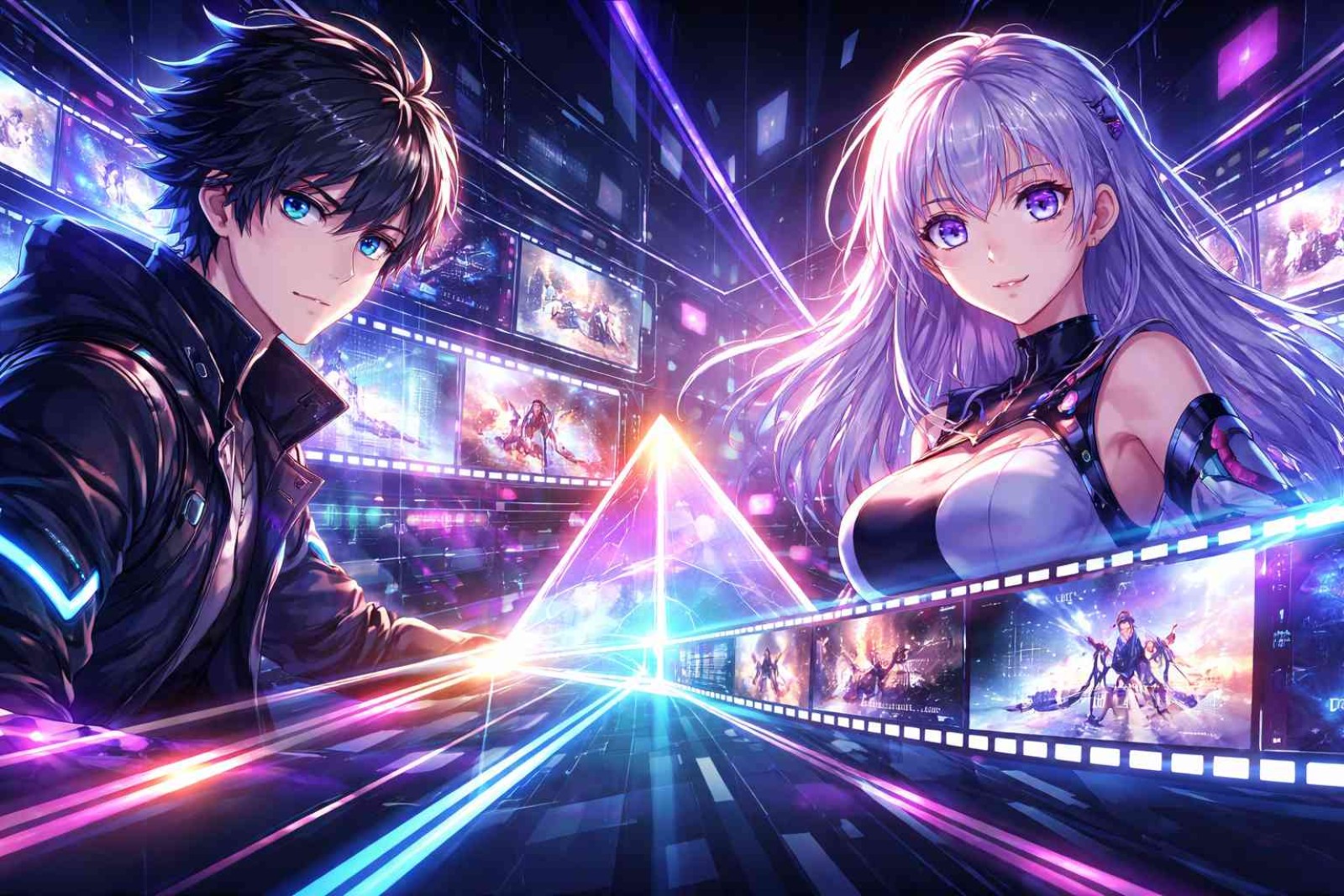
⬤ Generative AI just took a major leap forward in animation. AI-created action anime using the Kling 2.6 model now delivers the kind of speed, movement, and camera work you'd expect from top-tier streaming shows. We're talking fluid motion, cinematic angles, and pacing that rivals professional studios—the gap between AI and Netflix-level production is shrinking fast.
⬤ Kling 2.6's standout feature? It handles the tough stuff exceptionally well. Fast-paced action sequences, dynamic camera movements, complex scene compositions—all things that typically demand massive teams and countless hours of manual labor. The current output isn't far off from what you see on major platforms, which shows just how rapidly these AI video models are improving in motion consistency and visual realism.
⬤ The progress isn't stopping here. With speed, angles, and camera control already this impressive, another year of development could push AI-generated anime right up against mainstream studio standards. As the technology improves and visual quality keeps climbing, audiences will likely become more comfortable with AI-created content becoming a regular part of their viewing experience.
⬤ This acceleration signals a bigger shift across entertainment and streaming. Generative video models are maturing fast, potentially slashing production timelines and opening doors for creators who previously couldn't afford traditional animation pipelines. Traditional studios still dominate, but Kling 2.6 proves AI tools are becoming serious players in modern animation workflows—shaping how digital content gets made and distributed going forward.
 Eseandre Mordi



