
 Saad Ullah

⬤ Recent research has unveiled Echo-N1, a fresh approach to making AI more emotionally aware. Unlike the current wave of logic-focused AI training, this framework specifically teaches language models how to pick up on feelings and respond with real empathy. The system works by analyzing human conversations and figuring out when emotional understanding actually matters.
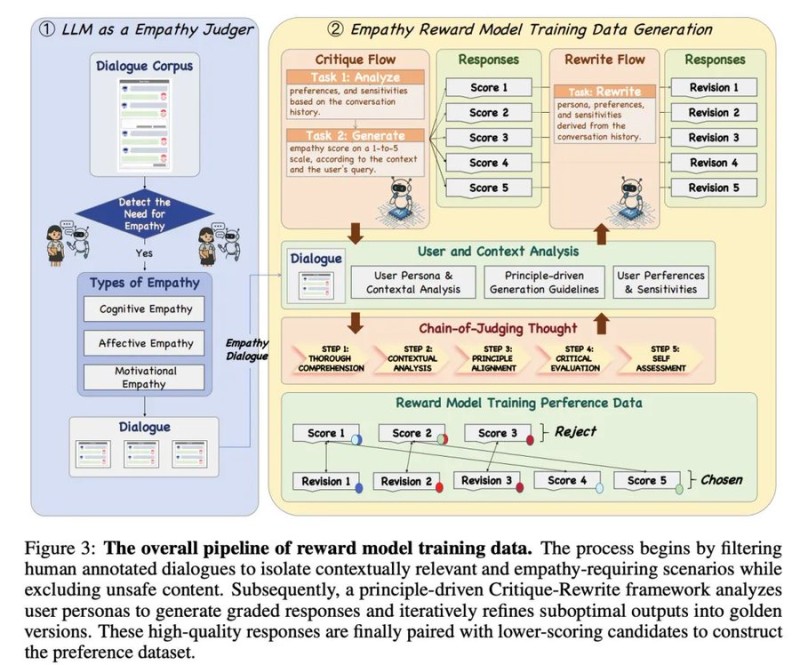
⬤ The training process starts by combing through real human dialogues to find moments where empathy makes a difference. These situations get sorted into three categories: cognitive empathy (understanding what someone's thinking), affective empathy (feeling what they're feeling), and motivational empathy (wanting to help). The AI learns to spot when it needs to switch into empathetic mode rather than just answering factually.
⬤ What makes Echo-N1 different is its critique-and-rewrite loop. The system grades its own responses on empathy, checks whether it's actually addressing what the person needs, and keeps refining its answers until they feel more human. As researchers note in the study, "Emotional awareness and personality are increasingly viewed as core performance dimensions rather than optional features" in modern AI development.

⬤ This work points toward a pretty significant change in how we build conversational AI. Instead of just making systems that sound smart, Echo-N1 shows we can train them to communicate in ways that feel more naturally human and socially aware—which matters a lot as these tools become part of everyday life.
 Saad Ullah



