
 Eseandre Mordi
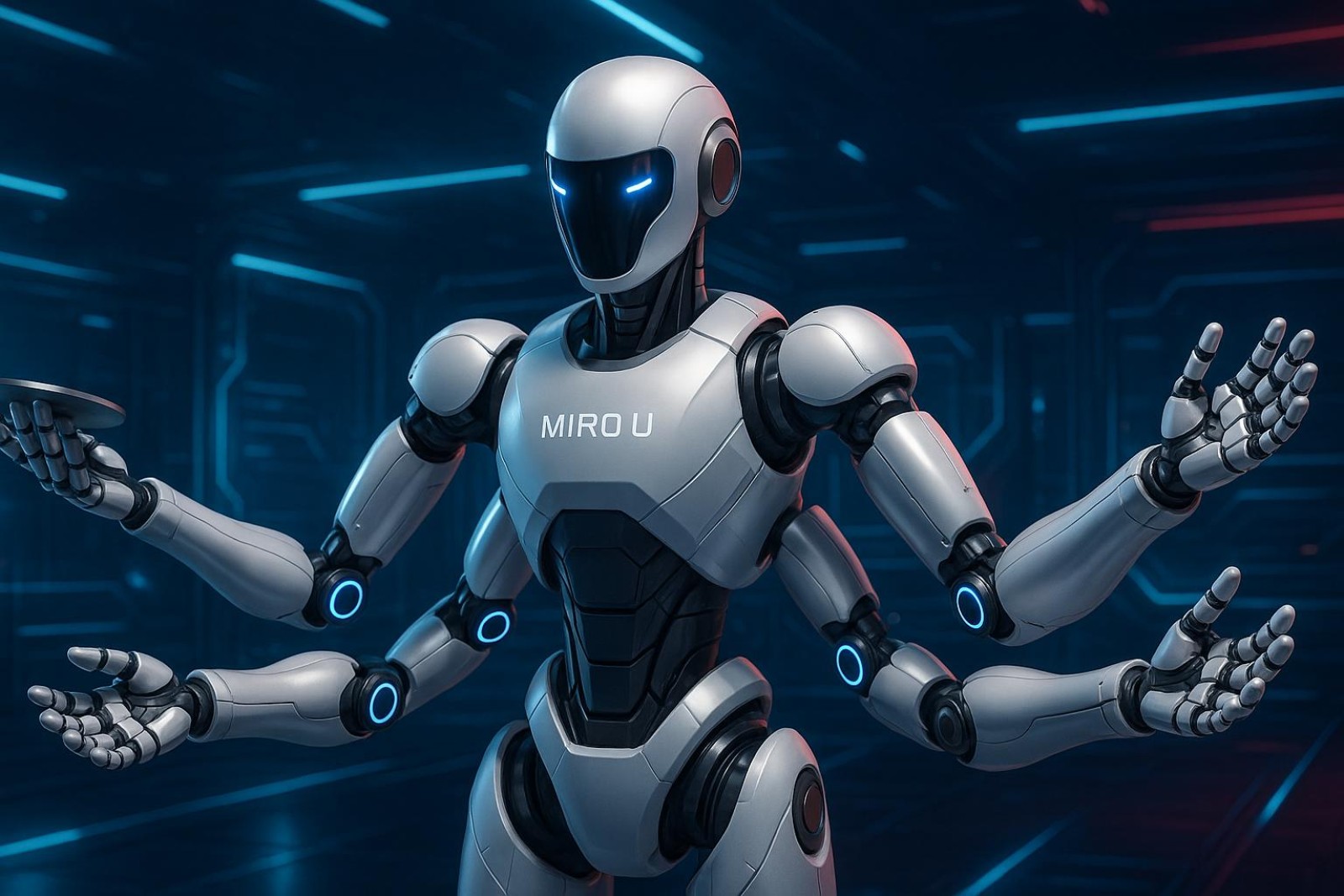
⬤ Chinese appliance giant Midea just rolled out something pretty wild for the factory floor: a humanoid robot with six arms called MIRO U. This isn't your typical single-arm industrial bot stuck in one spot doing the same thing all day. Instead, it's built to tackle multiple complex tasks at once, potentially changing how factories handle everything from assembly to heavy lifting. The robot moves on wheels and coordinates all six arms to work together, which is a big leap from traditional automation systems.
⬤ Here's where it gets interesting: Midea says MIRO U can boost operational efficiency by up to 30% when production lines need to switch between different tasks or products. That's huge for manufacturers who lose tons of time during changeovers. The robot handles component assembly, moves heavy parts around, swaps tools on the fly, and manages several operations simultaneously. Because it's mobile rather than bolted to the floor, it can adapt to different stations and tasks across the production line.
⬤ This launch is part of a bigger wave sweeping through China's manufacturing world. Companies there are racing to adopt advanced robotics that go beyond basic repetitive tasks. MIRO U represents that next generation—designed to replace the work of multiple machines or human workers with one flexible platform. Its ability to move freely and coordinate six arms means it can handle way more variety than conventional industrial robots ever could.
⬤ Why does this matter? For years, humanoid robots have been more concept than reality in actual factories. Midea is now putting that idea into practice with a system that tackles real automation headaches like adaptability and coordinating complex tasks. As manufacturers worldwide push to modernize, robots like MIRO U could set the template for how advanced automation rolls out across industries—and how quickly these humanoid systems become standard equipment on factory floors.
 Eseandre Mordi



