
 Saad Ullah
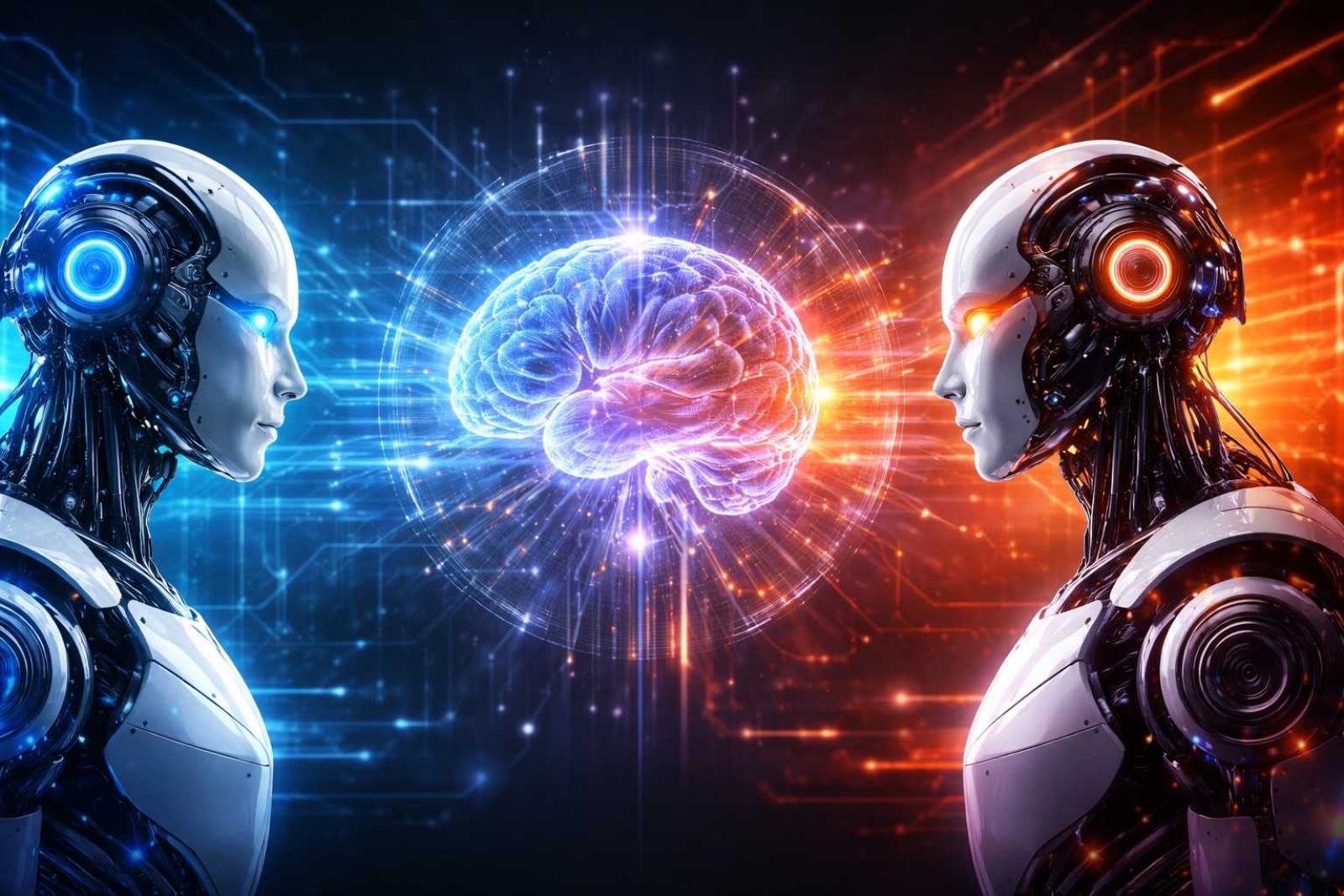
⬤ The artificial intelligence world is buzzing again as the debate over artificial general intelligence (AGI) moves from tech circles into mainstream scientific discussion. Physicist Brian Cox recently weighed in, calling consciousness "the most complex emergent phenomenon we know" while pointing out it still follows the physical laws that run our universe. He made a key point: in theory, a powerful enough computer could model the human brain, backing up the idea that AI progress isn't just hype—it's grounded in real science.
⬤ But Cox also flagged a massive gap in our understanding. The brain is physical, sure, but we still have no clue how consciousness actually emerges from it. That mystery matters more than ever as tech companies push deeper into autonomous systems, reasoning models, digital assistants, and robotics. AI has made serious leaps in the past few years, moving AGI from a sci-fi concept to something researchers are actively working toward. The big question now: how far can today's systems actually go?
⬤ Here's where Cox draws an important line. Modern AI can crunch data, generate answers, and learn from training—but there's zero scientific agreement on whether these systems could ever develop subjective awareness like humans have. Brain models keep improving, yet we're still missing a unified theory that explains consciousness itself. It's one of science's biggest blind spots.
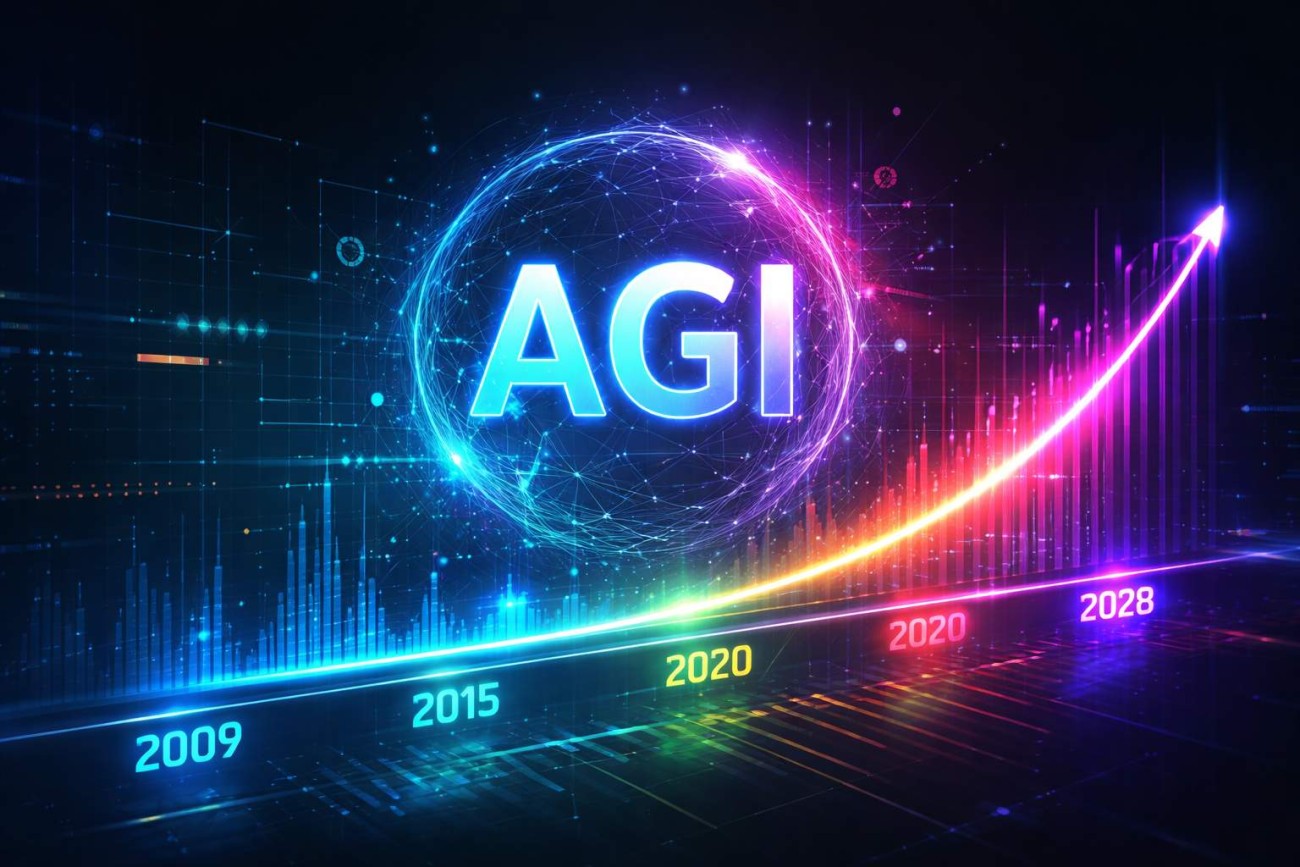
⬤ Cox's take is a reality check. AGI's path forward is still foggy, even as billions pour into AI research and infrastructure globally. His comments remind us that while AI is advancing fast, there are fundamental scientific hurdles standing between today's smart systems and true general intelligence. Expecting human-like consciousness from current AI might be jumping the gun.
 Saad Ullah



