
 Saad Ullah
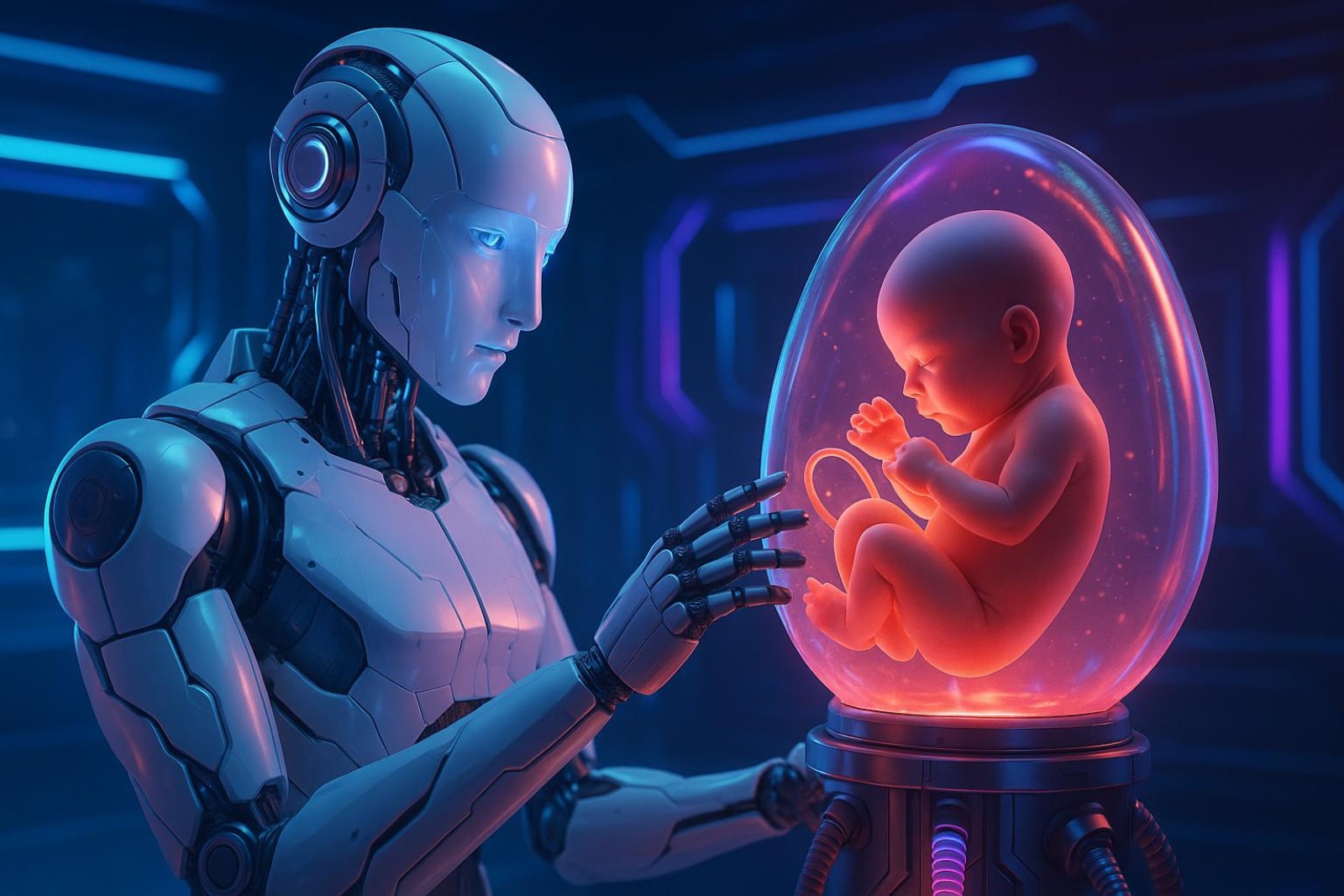
⬤ A Chinese technology company just dropped something wild: GEAIR, a humanoid robot that can actually get pregnant and give birth. We're talking a synthetic uterus, fake amniotic fluid, and a plastic umbilical cord — the whole nine yards. This isn't some sci-fi concept anymore; it's real tech that's stirring up serious debate in the reproductive robotics world. And here's the kicker: this robot isn't meant to help with natural pregnancies. It's designed to replace them completely.
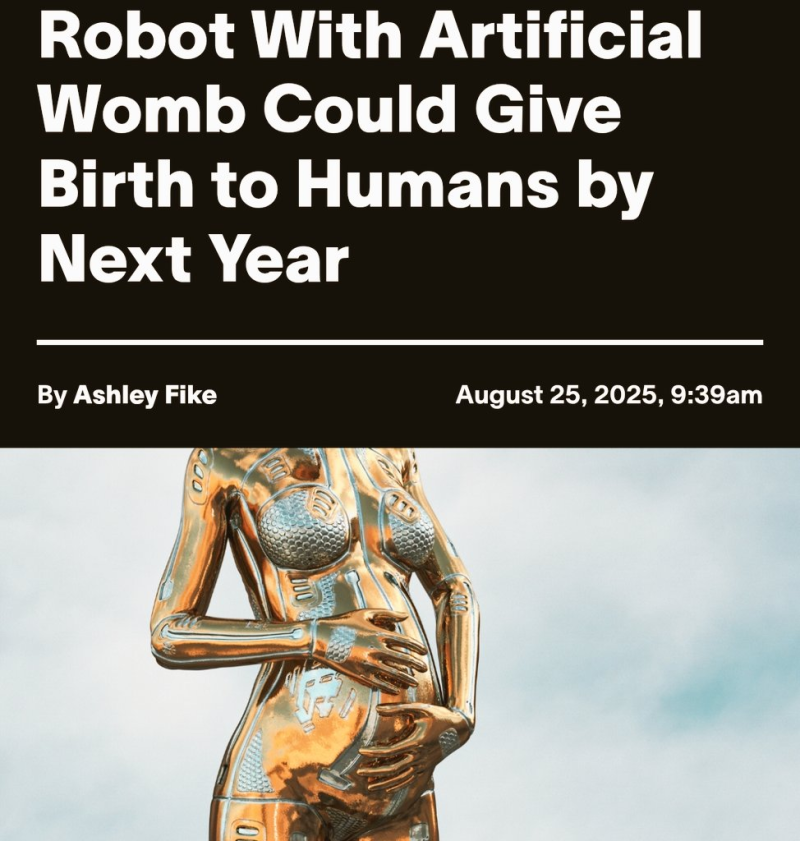
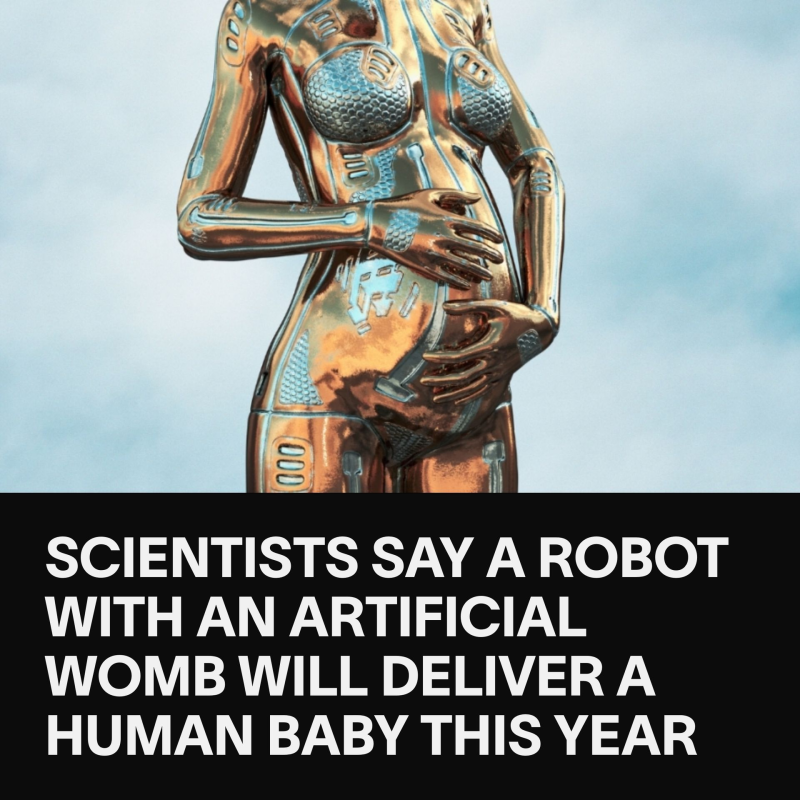
⬤ GEAIR is reportedly hitting the market within a year, with a price tag around 100,000 yuan (roughly $14,000). The system maintains fetal development through a controlled internal environment that mimics how pregnancy works biologically. That's caught the attention of biotech and robotics experts everywhere, because we're watching automation creep into something that's always been uniquely human. The whole thing raises questions about where synthetic biology and consumer tech are heading.
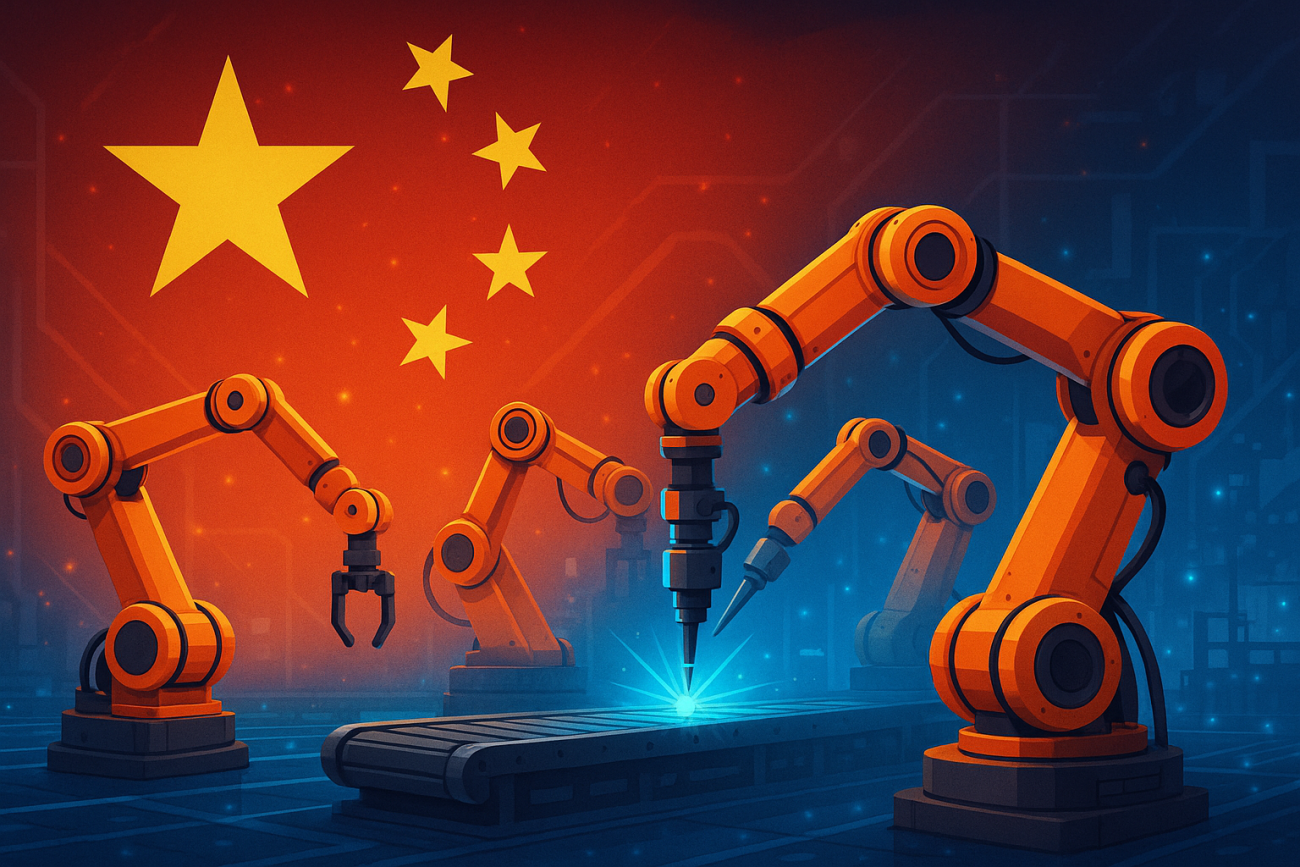
⬤ What makes this different from previous artificial womb research is that GEAIR isn't locked away in some lab or hospital. It's being marketed as an actual product people could buy. The company's making it clear they're not aiming to support pregnancy — they want to replace it entirely. That's what's got everyone talking about ethics, safety, and regulations. Worth noting: no clinical trials or peer-reviewed studies came with the announcement.
⬤ GEAIR could mark a turning point in bio-robotics, potentially reshaping how we think about reproductive health, population planning, and where biotech investments flow. As the company gears up for launch, expect plenty of debate about whether society's ready for artificial gestation technology and how governments will handle it.
 Saad Ullah



