
 Peter Smith
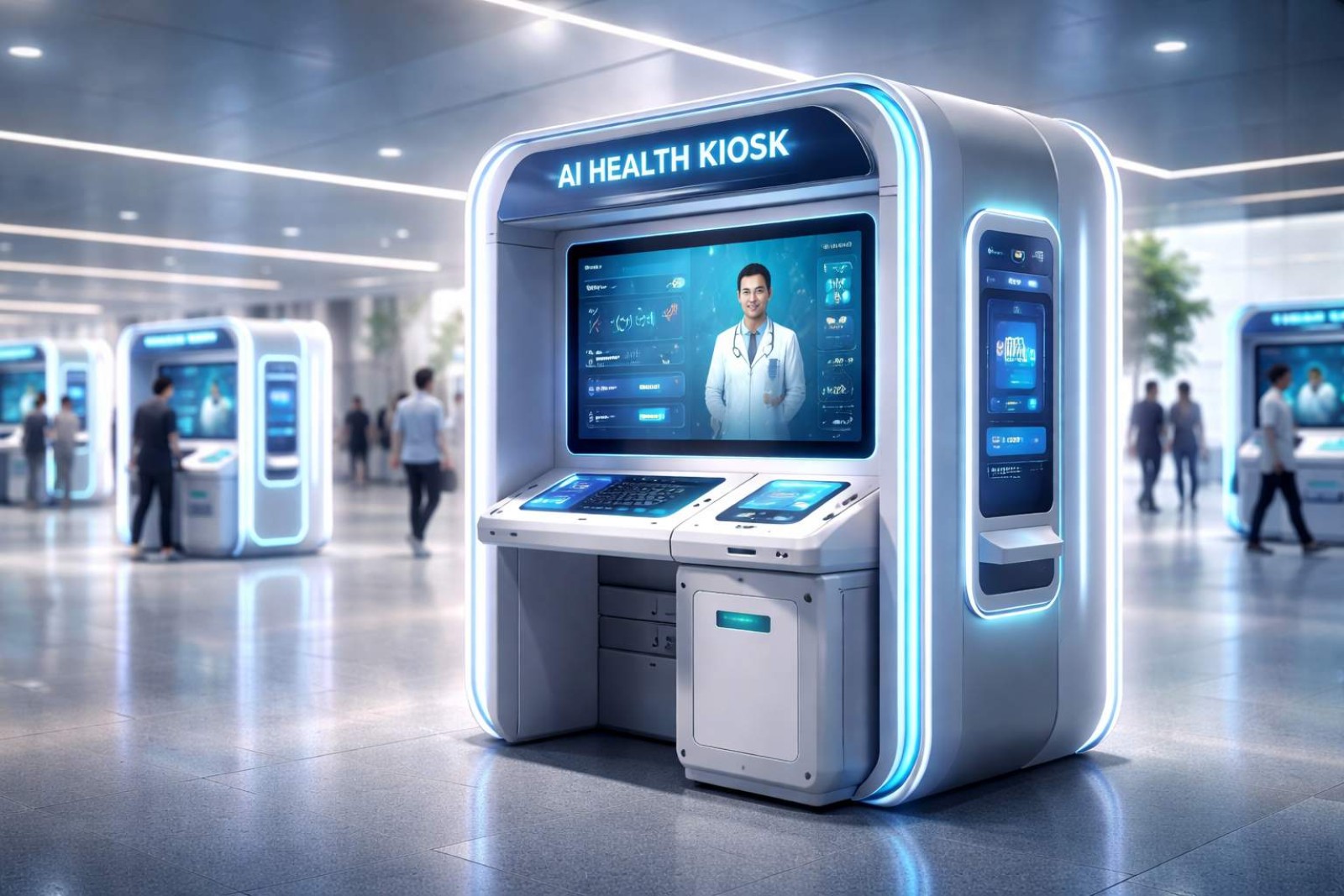
⬤ China has started placing AI-driven health kiosks in public spaces that work completely without medical staff on-site. These automated booths can scan your vitals, run simple diagnostic tests, and use artificial intelligence to figure out what's wrong with you in just minutes. You interact with everything through a touchscreen, tell it your symptoms, and get instant feedback based on the data it collects from you.
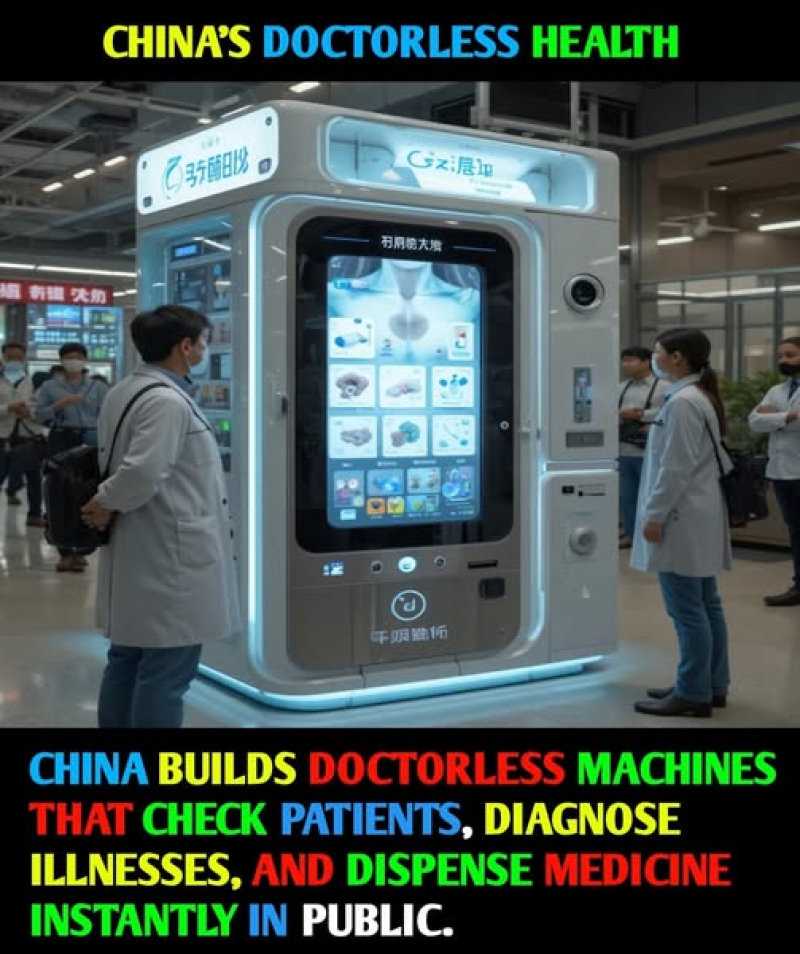
⬤ Inside each kiosk, you'll find sensors, cameras, and diagnostic equipment that measure things like your temperature and other basic health markers. The AI crunches this data along with what you tell it about how you're feeling, then gives you a preliminary diagnosis. If it's something minor, the kiosk can actually dispense over-the-counter meds right there through its built-in pharmacy dispenser. But if your symptoms look more serious, it'll tell you to head to a real hospital instead of trying to treat you on the spot.
⬤ These kiosks are popping up in metro stations, shopping malls, and rural communities—basically anywhere people might struggle to reach a doctor quickly. They run around the clock, giving folks an option when traditional clinics aren't available due to location, doctor shortages, or just bad timing. It's part of China's bigger push to integrate AI into public services, especially when it comes to healthcare delivery and catching health issues early.
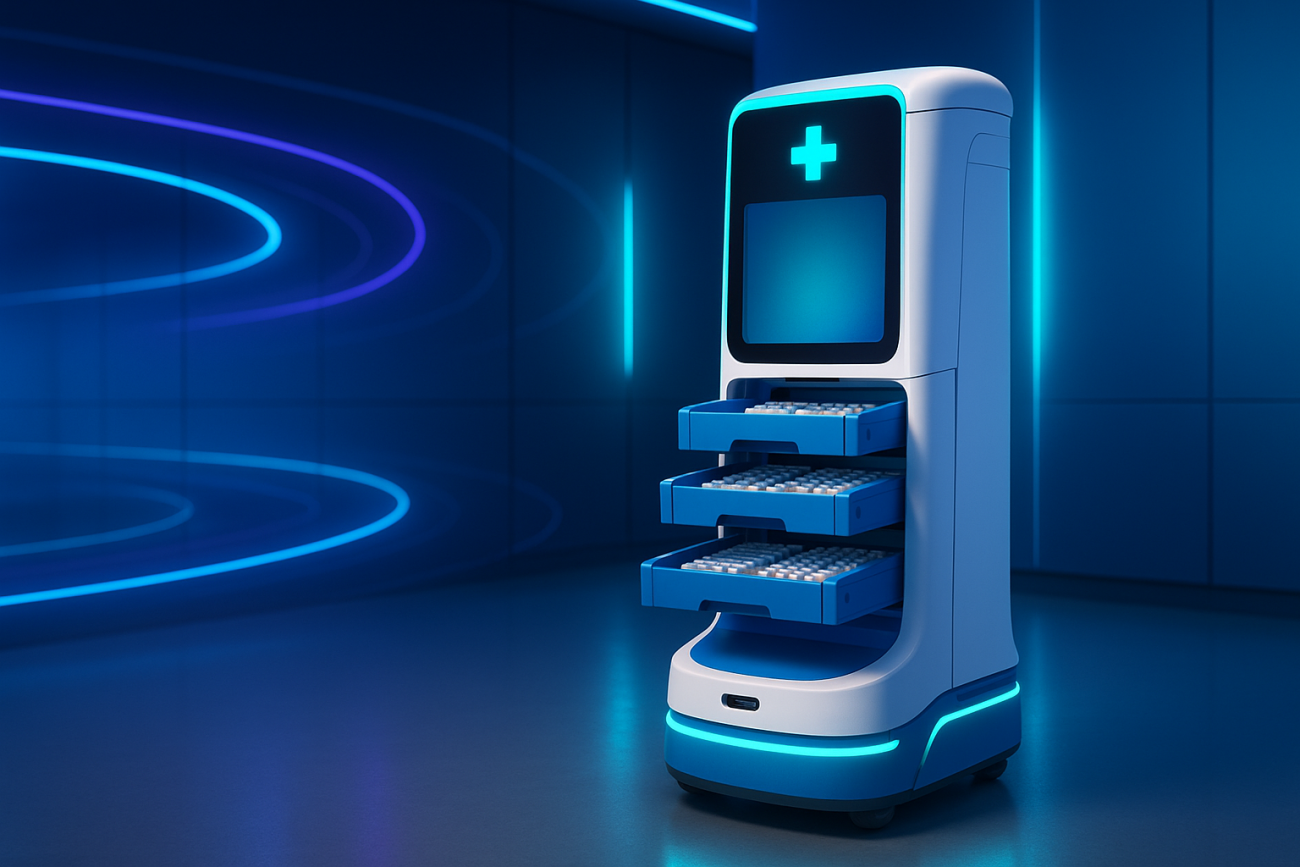
⬤ What's happening in China shows how automation could solve real problems in healthcare access. As AI-powered diagnostics move from hospitals into everyday public spaces, we're likely to see shifts in how healthcare tech gets adopted, where infrastructure money goes, and what people expect from their healthcare system in terms of convenience and speed. It's a glimpse at how medical AI might completely change the way primary care works, especially in places where doctors and clinics are hard to come by.
 Peter Smith



