
 Peter Smith
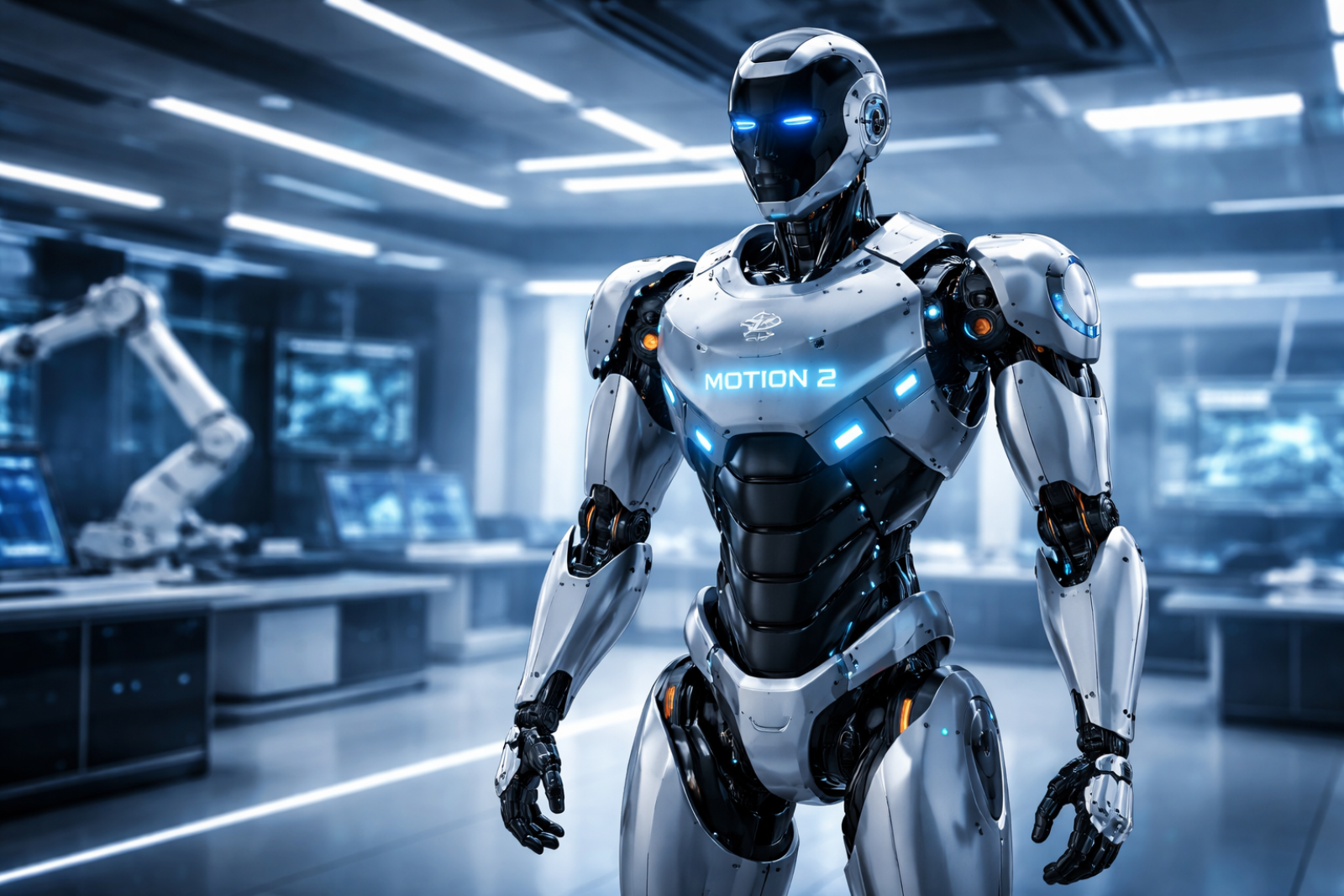
⬤ Vietnamese robotics startup VinMotion just dropped Motion 2, their second-generation humanoid robot that hit the scene only six months after the original Motion 1. The new model brings some serious upgrades to the table – think smoother walking, faster speeds, and way better agility. It's part of that growing trend where companies are racing to build humanoid robots that can actually handle real-world work environments.
⬤ Motion 2 can haul up to 40 kilograms and pick itself back up if it takes a tumble. The robot charges itself autonomously and supports hot-swappable batteries, which means less downtime when it's working shifts in factories or warehouses. Right now, VinMotion is putting Motion 2 through its paces in industrial logistics settings, testing how well it can tackle repetitive operational tasks that typically eat up human hours.
⬤ The robot speaks both Vietnamese and English, which opens doors for service roles down the line beyond just moving boxes around. VinMotion's planning to show off Motion 2 at CES 2026, giving the public a closer look as they keep refining the technology through ongoing real-world testing.
⬤ What makes this interesting is how it shows humanoid robots moving from concept to actual deployment. Companies are focusing hard on the basics that matter for business use – can it carry stuff reliably, does it move smoothly, how do you keep it powered up, and will it play nice with existing warehouse systems. That's where the real competition is heating up in the robotics space right now.
 Peter Smith



