
 Usman Salis
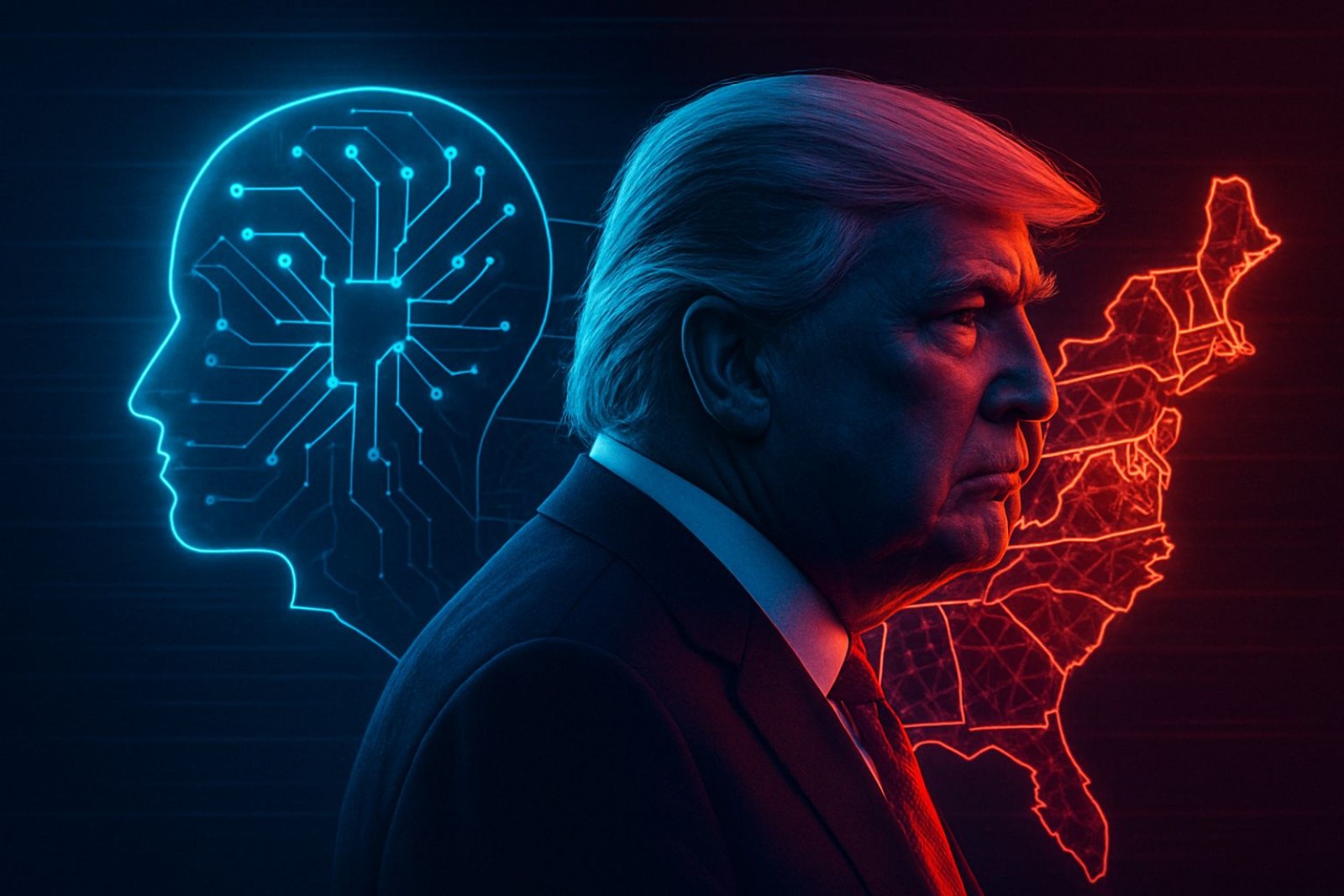
⬤ Donald Trump signed an executive order preventing individual states from enforcing their own artificial intelligence regulations. The decision creates a single national framework under federal control, replacing what would have been up to 50 separate state-level AI rules. This represents a major shift in how AI companies like OpenAI and Google are regulated across the United States.
⬤ The order instructs the Justice Department to establish a task force dedicated to challenging state AI laws in court and working to invalidate them. States refusing to comply with the federal approach risk losing federal funding for broadband and infrastructure programs. The order specifically targets laws in California and Colorado requiring AI companies to publicly disclose safety testing and assess systems for potential discrimination before deployment in hiring, lending, and housing.
⬤ Supporters say state-by-state regulation creates excessive compliance costs and slows innovation. Tech companies and venture capital firms have pushed for unified federal oversight, claiming that navigating dozens of different regulatory systems is expensive and complicated. The administration frames this as necessary for international competitiveness, arguing that fragmented regulation weakens U.S. companies while rivals like Chinese firms face fewer regulatory constraints.
⬤ Critics warn the executive order eliminates existing safeguards without replacing them with comprehensive federal rules. Consumer advocates argue states acted because Congress hasn't passed nationwide AI legislation, and preempting those laws could create a regulatory vacuum. They point out California's transparency requirements mirror disclosure standards in other industries, while Colorado's bias-testing rules were designed to reduce algorithmic discrimination. The debate highlights growing tension between innovation, oversight, and economic competition as AI becomes more embedded in the U.S. economy.
 Usman Salis



