
 Saad Ullah
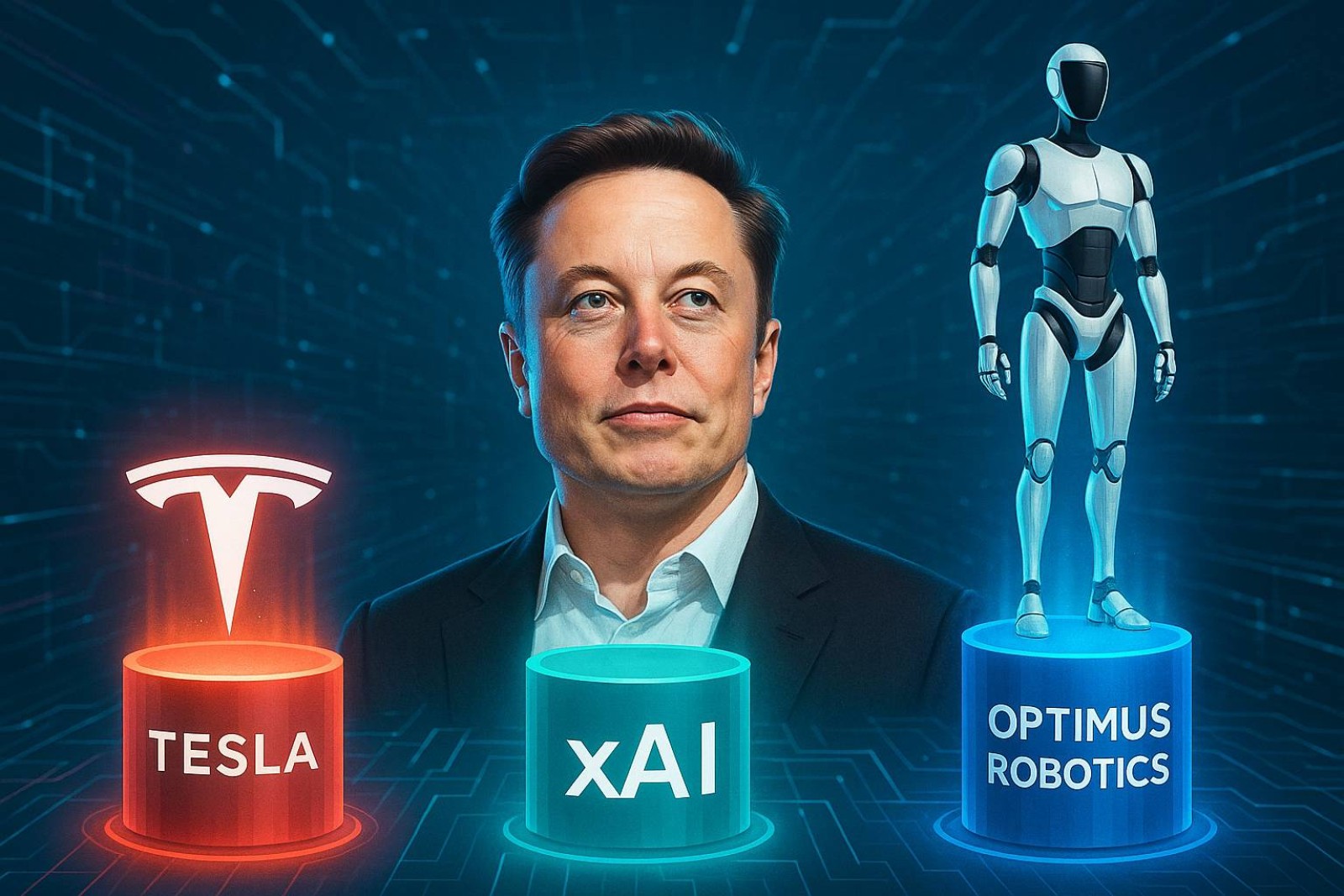
⬤ Recent comments from Nvidia CEO Jensen Huang paint a clear picture of how Elon Musk is tackling AI from multiple angles. According to Huang, xAI is diving deep into foundational cognitive intelligence—the kind of AI that thinks and learns at a fundamental level. Meanwhile, Tesla is pushing hard on autonomous driving technology, and the Optimus project is bringing humanoid robotics into the mix. It's a three-pronged strategy that covers both the digital brains and physical bodies of artificial intelligence.
⬤ Tesla's self-driving program sits at the heart of this AI push. The company is banking heavily on AI to power its autonomous vehicles, using sophisticated systems for perception, split-second decision-making, and processing massive amounts of real-world driving data. Self-driving tech remains Tesla's most visible AI play, tying the company's car business directly to breakthroughs in machine intelligence.
⬤ The Optimus humanoid robot represents Tesla's bet on AI that can actually move and work in the physical world. This project merges AI-powered thinking with the ability to perform real tasks and navigate spaces like humans do. On the flip side, xAI's focus on foundational cognitive intelligence hints at developing more versatile, general-purpose AI systems. Together, these efforts show Musk is attacking AI development from every possible direction.
⬤ Why does this matter? Tesla is no longer just an electric car company—it's positioning itself as a major AI and robotics player. How the company progresses with autonomous driving, humanoid robots, and core AI research will increasingly shape how investors and the market view Tesla's future. As AI continues reshaping entire industries, Tesla's multi-domain AI strategy could become a key driver of how Wall Street values the company moving forward.
 Saad Ullah



