
 Saad Ullah
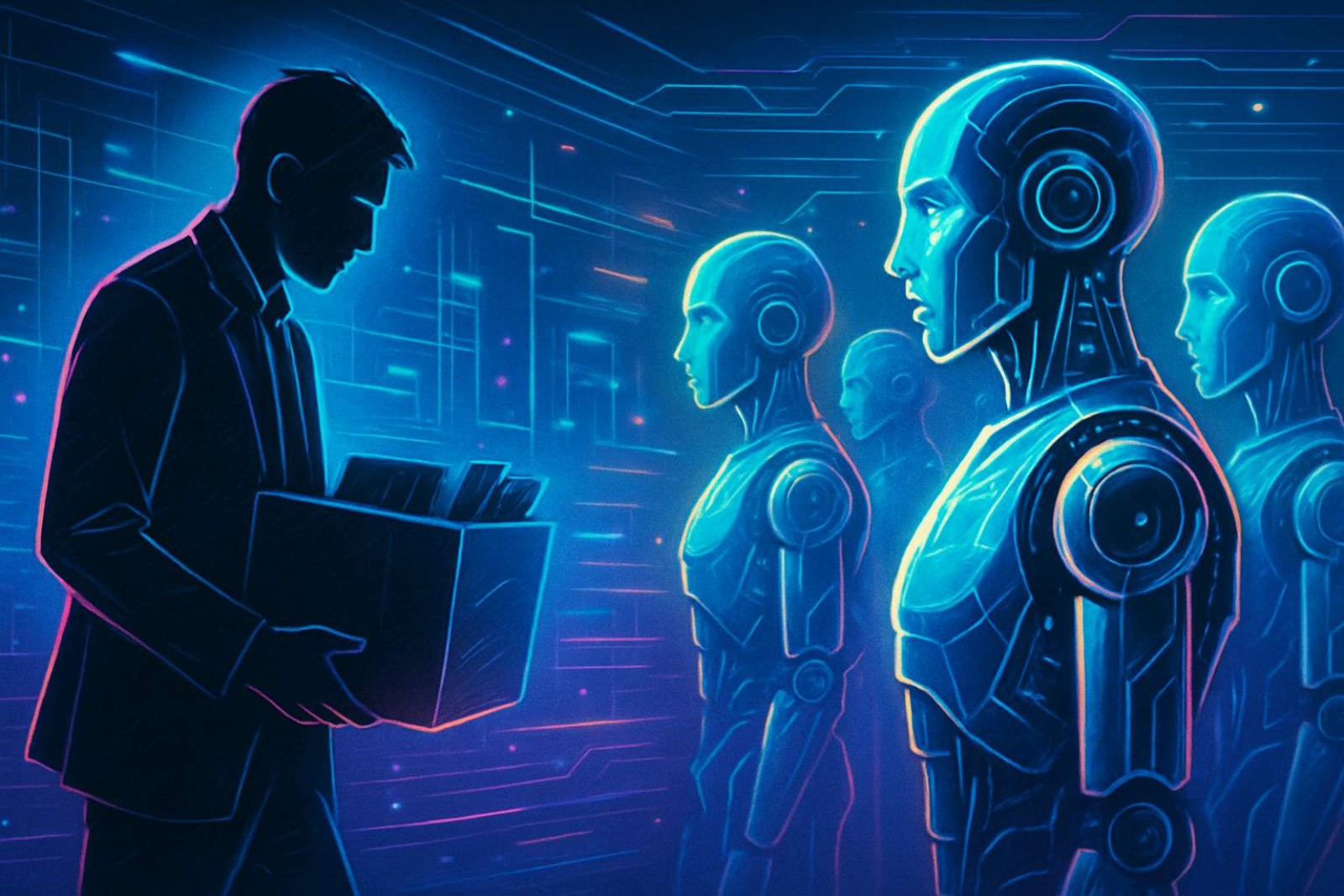
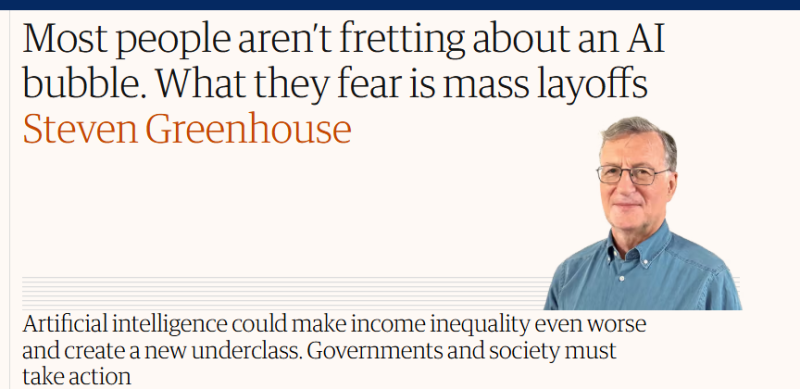
⬤ The conversation around AI is changing fast. Instead of worrying about whether AI investments are overheated, people are now focused on something more immediate—mass layoffs and growing inequality. AI adoption is picking up speed across industries, and many fear it's happening too quickly for workers and safety nets to adjust.
⬤ The pace of change is putting serious pressure on systems that weren't built for this kind of disruption. In countries where healthcare is tied to employment, widespread job losses could mean millions lose access to coverage overnight. Some are calling for a fundamental shift—moving away from employer-based benefits and rethinking how work gets divided up as AI takes on more of the load.
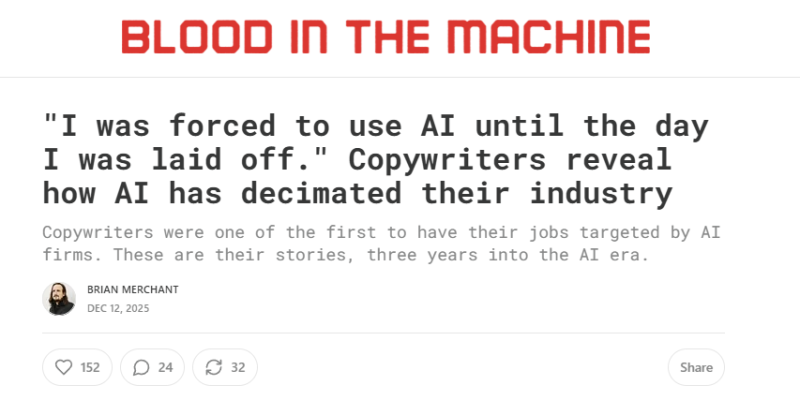
⬤ Creative and writing fields are already feeling the hit hard. Between 2022 and 2023, opportunities dropped sharply. Then from 2023 to 2024, the decline got even steeper. Copywriters, editors, medical writers, nonprofit communications teams, and marketing consultants are seeing roles disappear. There's real doubt about whether AI will create enough new jobs to replace what's being lost.
⬤ This shift in public mood matters because it could reshape how companies, regulators, and markets handle AI's next phase. While AI keeps transforming productivity and business models, the fear around job losses and inequality isn't going away. How we respond to these concerns will likely determine how smoothly—or roughly—AI gets integrated into the global economy.
 Saad Ullah



